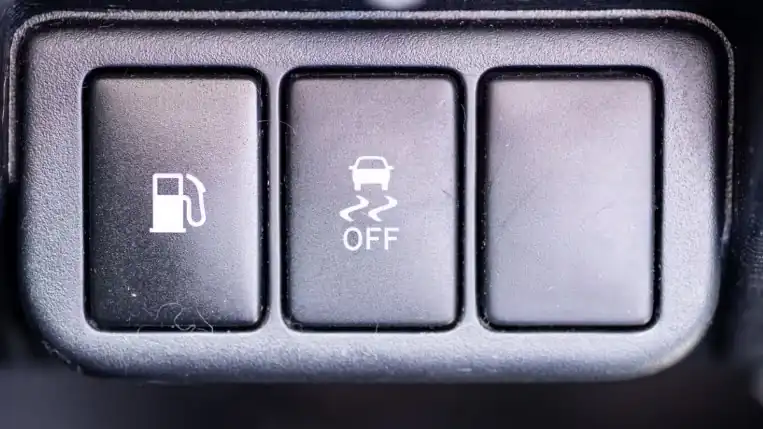
What Does Service StabiliTrak Mean?
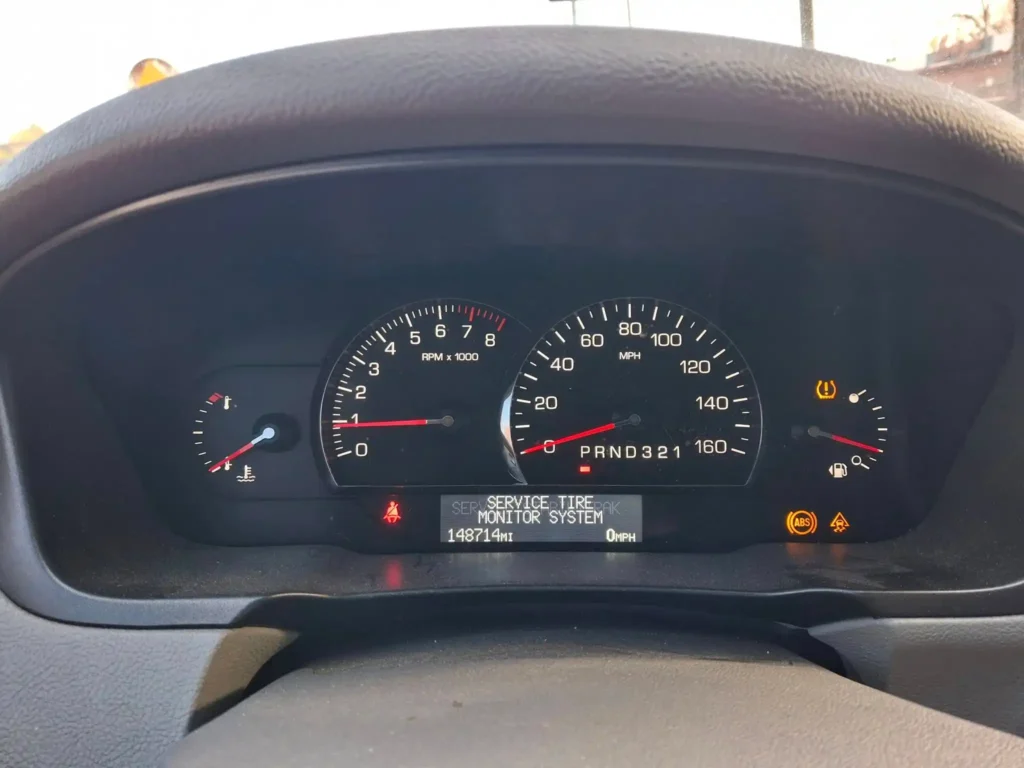
“Service StabiliTrak” means your GM vehicle’s electronic stability control system has detected a fault and will likely be switched off until it is fixed. When the system is off, you lose its help if your tires lose grip on wet, snowy, or slippery roads.
What Is StabiliTrak?
StabiliTrak is General Motors’ name for electronic stability control (ESC) — the same stability control technology used across the industry, marketed under different names by other automakers (Vehicle Stability Control on Toyotas, Electronic Stability Program on Mercedes-Benz). GM co-developed StabiliTrak with Delphi Automotive and introduced it on Cadillac models in 1996. Electronic stability control became mandatory on all new U.S. passenger vehicles in 2012, but GM had been installing StabiliTrak years before.
StabiliTrak is not the same as traction control. Traction control prevents the wheels from spinning during acceleration by cutting engine power or braking individual wheels. StabiliTrak monitors overall vehicle stability through turns, lane changes, and emergency maneuvers, not just during acceleration. Both systems share the same wheel speed sensors and work together.
What Does StabiliTrak Do?
StabiliTrak compares where the driver is steering the vehicle with where the vehicle is actually going. When the two do not match, it intervenes two ways:
StabiliTrak addresses two types of loss of control:
It also helps prevent rollovers in trucks and SUVs, which have a higher center of gravity and are more at risk of tipping during aggressive maneuvers. NHTSA estimates stability systems reduce single-vehicle crashes by more than 35%, and IIHS reports electronic stability control reduces the risk of fatal single-vehicle crashes by roughly a third or more.
How Does StabiliTrak Technology Work?
StabiliTrak builds a real-time picture of vehicle movement from a network of sensors:
These sensors feed data to the vehicle’s control module dozens of times per second. The module continuously compares the driver’s intended path (steering input) with the vehicle’s actual behavior (wheel speed, yaw, and acceleration data).
When the two match, StabiliTrak stays inactive. When they diverge — the vehicle is not following the steering input, or it is sliding or rotating in a way the driver did not intend — the system acts within a split second. It decides which wheels to brake and how much engine power to reduce to bring the vehicle back onto the driver’s intended course. Because it can brake each wheel independently, it applies the right amount of force to the right corner to counter the specific skid.
When it activates, you may feel a slight pulse in the brake pedal or a brief reduction in power — this is normal operation.
StabiliTrak does not operate in isolation. It works with the anti-lock braking system (ABS) and traction control, sharing sensors and control hardware. If the engine is not running properly, or a shared sensor fails, StabiliTrak may shut itself down as a precaution. A “Service StabiliTrak” message can therefore point to a problem unrelated to the stability system itself.