How to Measure a Brake Rotor
Brake rotor wear can’t be accurately assessed by visual inspection, driving feel, or mileage alone. It’s recommended to measure rotor thickness with a micrometer or caliper every 10,000 miles or whenever the brake pads are replaced, then compare the measurement with the manufacturer’s specified minimum thickness. When brake pad thickness drops to around 2 mm, replacement is generally recommended to help maintain safe braking performance.
Key Measurements: Rotor Thickness and Minimum Thickness
To determine whether a brake rotor needs replacement, measure its thickness across the friction surface and compare the readings with the manufacturer’s specified minimum thickness. Also inspect the rotor for cracks, deep scoring, and signs of heat damage.
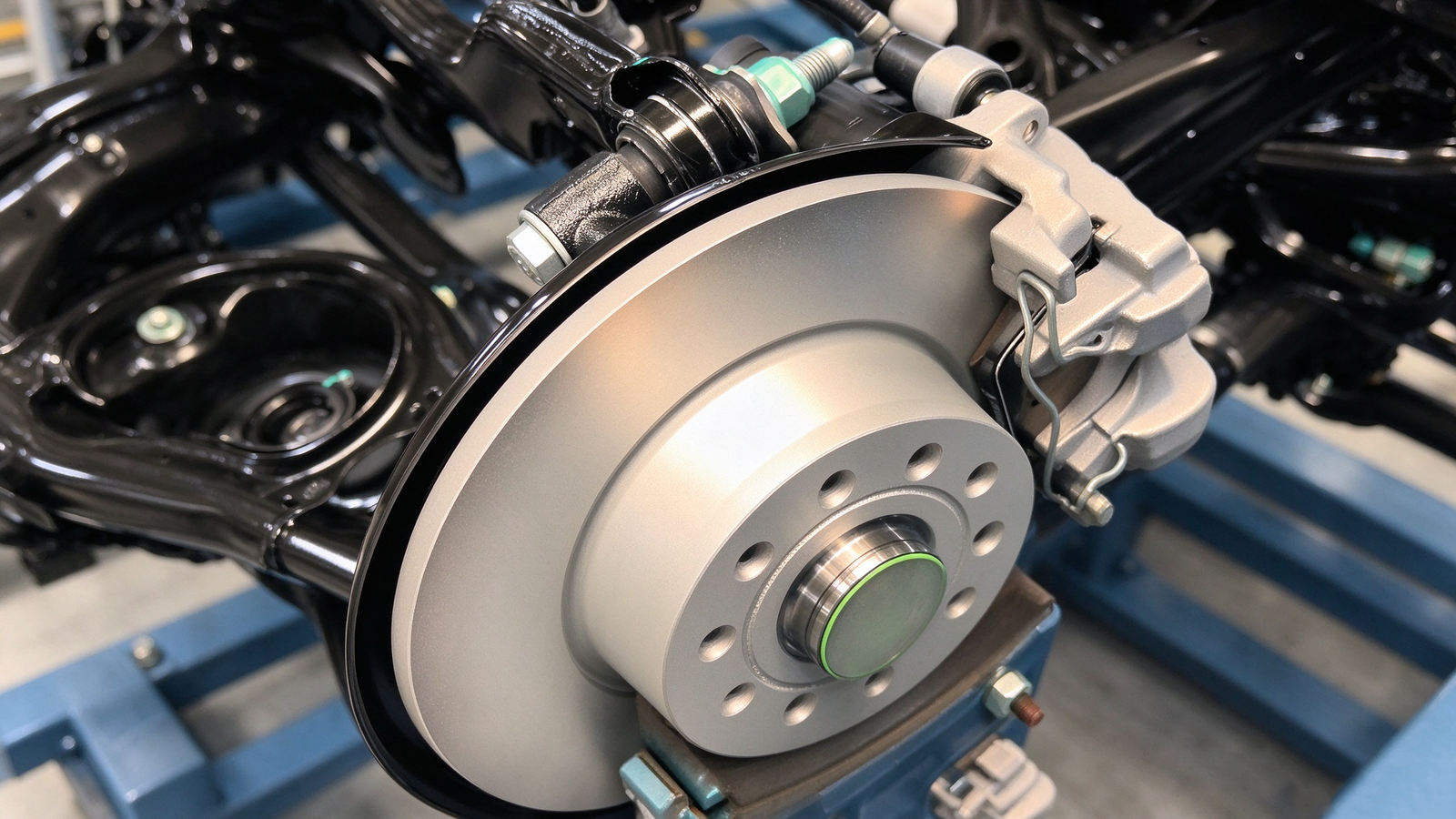
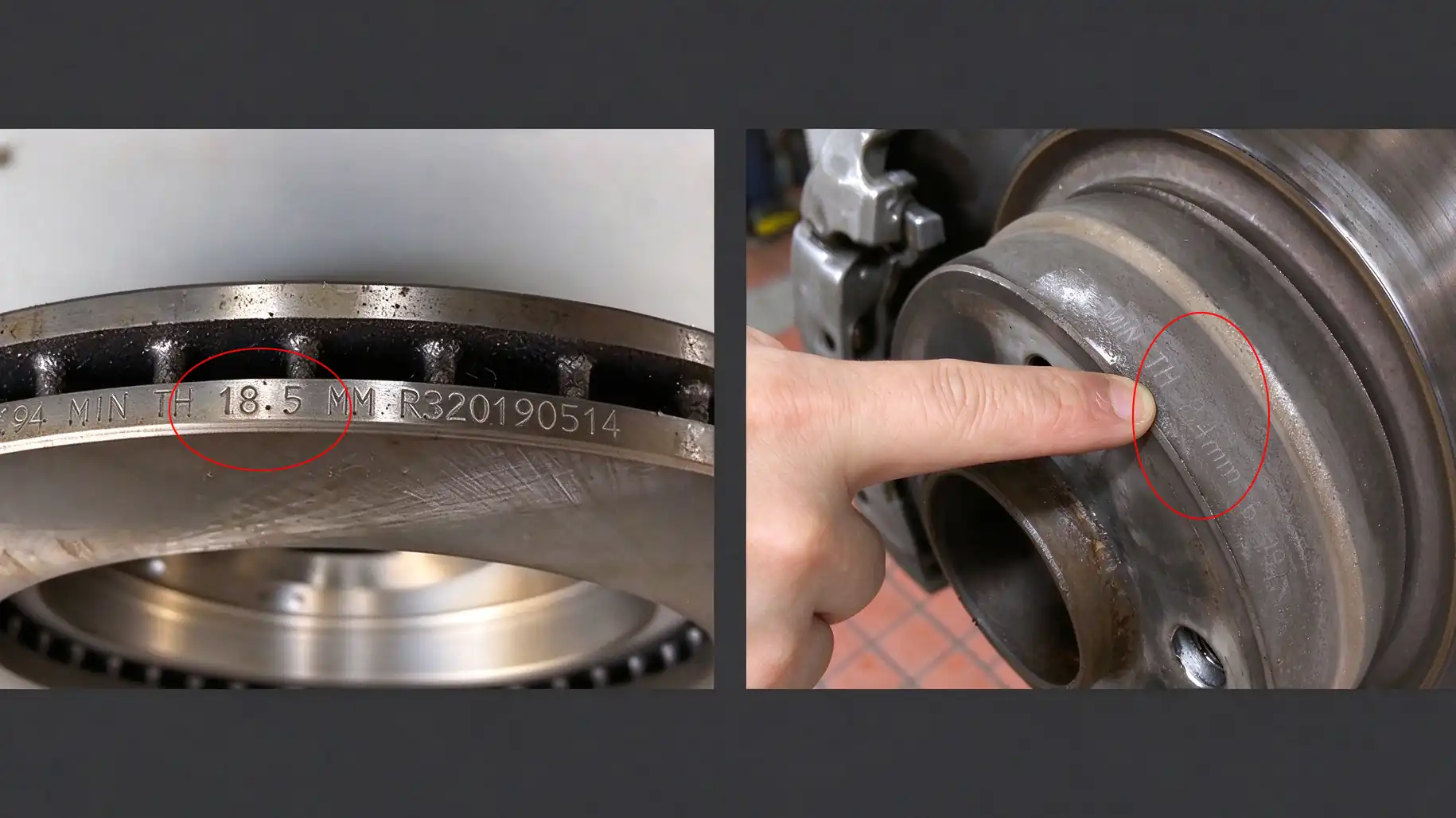
The minimum thickness is often marked on the rotor hat or another non-friction area, or specified in the vehicle’s service manual. Measure the rotor thickness at multiple points around the friction surface, avoiding any raised outer lip, and compare the lowest reading with the manufacturer’s minimum thickness specification. If the rotor is at or below the specified limit, it should be replaced. Any additional damage should be assessed according to the vehicle manufacturer’s service guidelines.
Tools You’ll Need
A micrometer is recommended for measuring brake rotor thickness, while a digital caliper can be used for preliminary checks. You should also have brake cleaner, a lint-free cloth, and a marker on hand.
How to Measure Brake Rotor Thickness Correctly
01.
Choose the Right Measurement Points
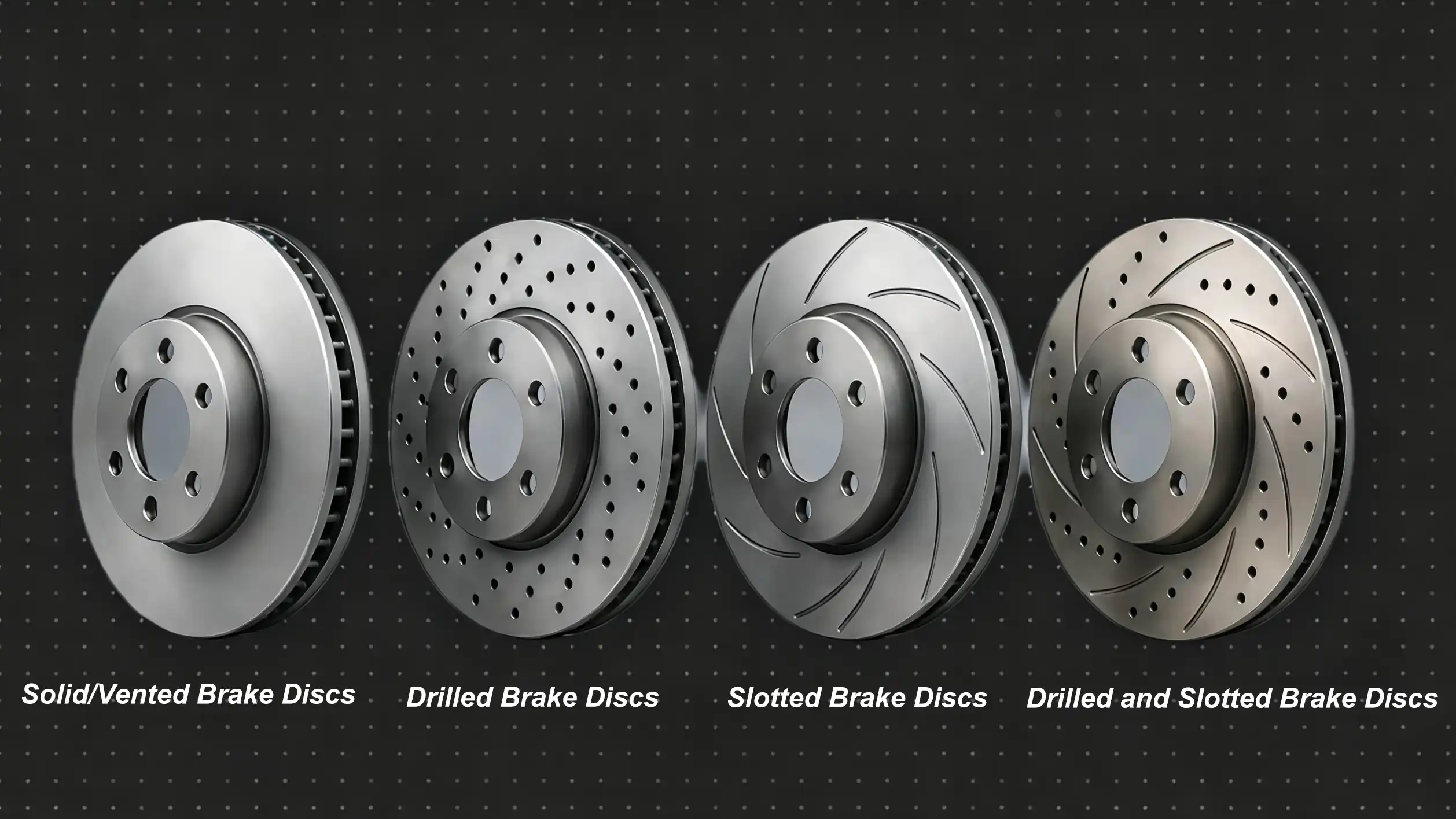
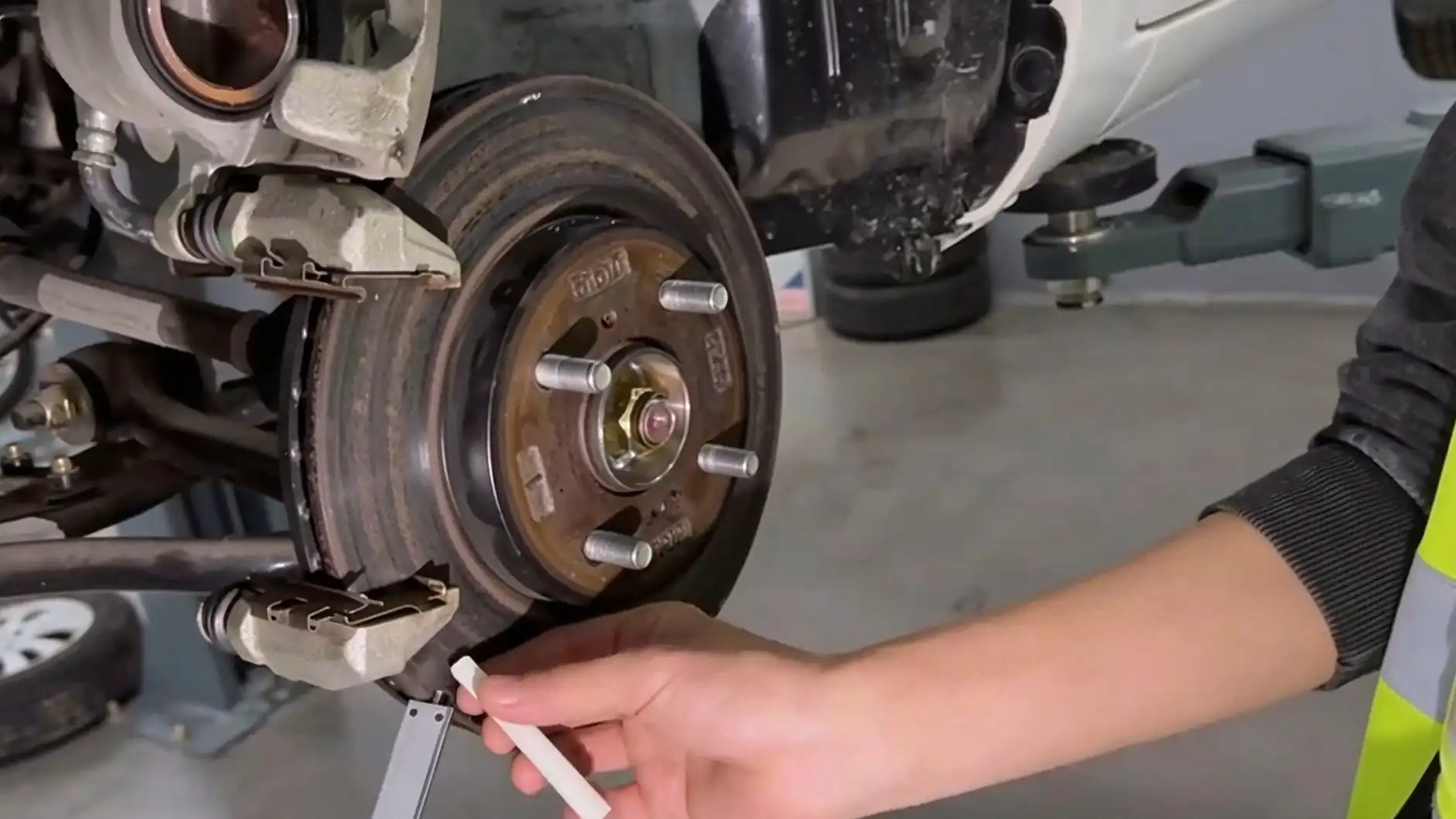
Measure the rotor thickness across the friction surface where the brake pads make contact. Avoid the rotor hat, the raised wear lip at the outer edge, ventilation slots, and drilled holes. Make sure the micrometer’s measuring faces sit securely against the rotor’s friction surfaces.
02.
Take Multiple Measurements and Record the Results
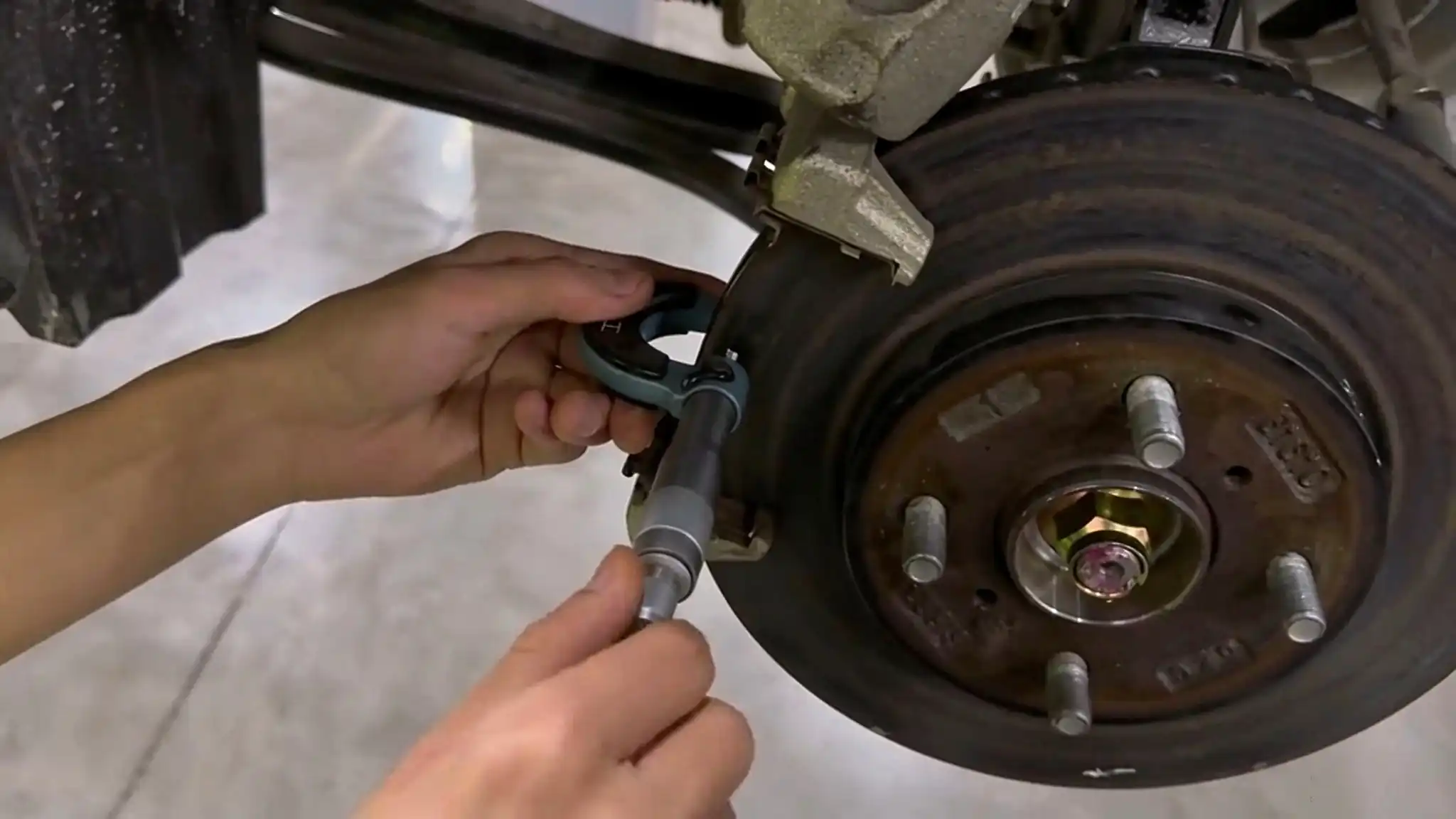
Take measurements at multiple evenly spaced points around the rotor, following the manufacturer’s recommended procedure. Record each reading and compare the lowest measurement with the manufacturer’s specified minimum thickness.
To check for disc thickness variation (DTV), compare the readings from different points around the rotor. Excessive thickness variation may indicate that further inspection or corrective action is needed.
03.
Determine Whether the Rotor Needs Replacement
At or below the specified minimum thickness
Replace the rotor.
Too thin to be machined safely
Do not machine the rotor if doing so would reduce its thickness below the manufacturer’s specified minimum machining thickness. Replace it instead.
Within the specified thickness range
Inspect the rotor for other signs of damage and verify that it meets the manufacturer’s service requirements before deciding whether it can remain in use.
04.
Inspect for Other Signs of Damage
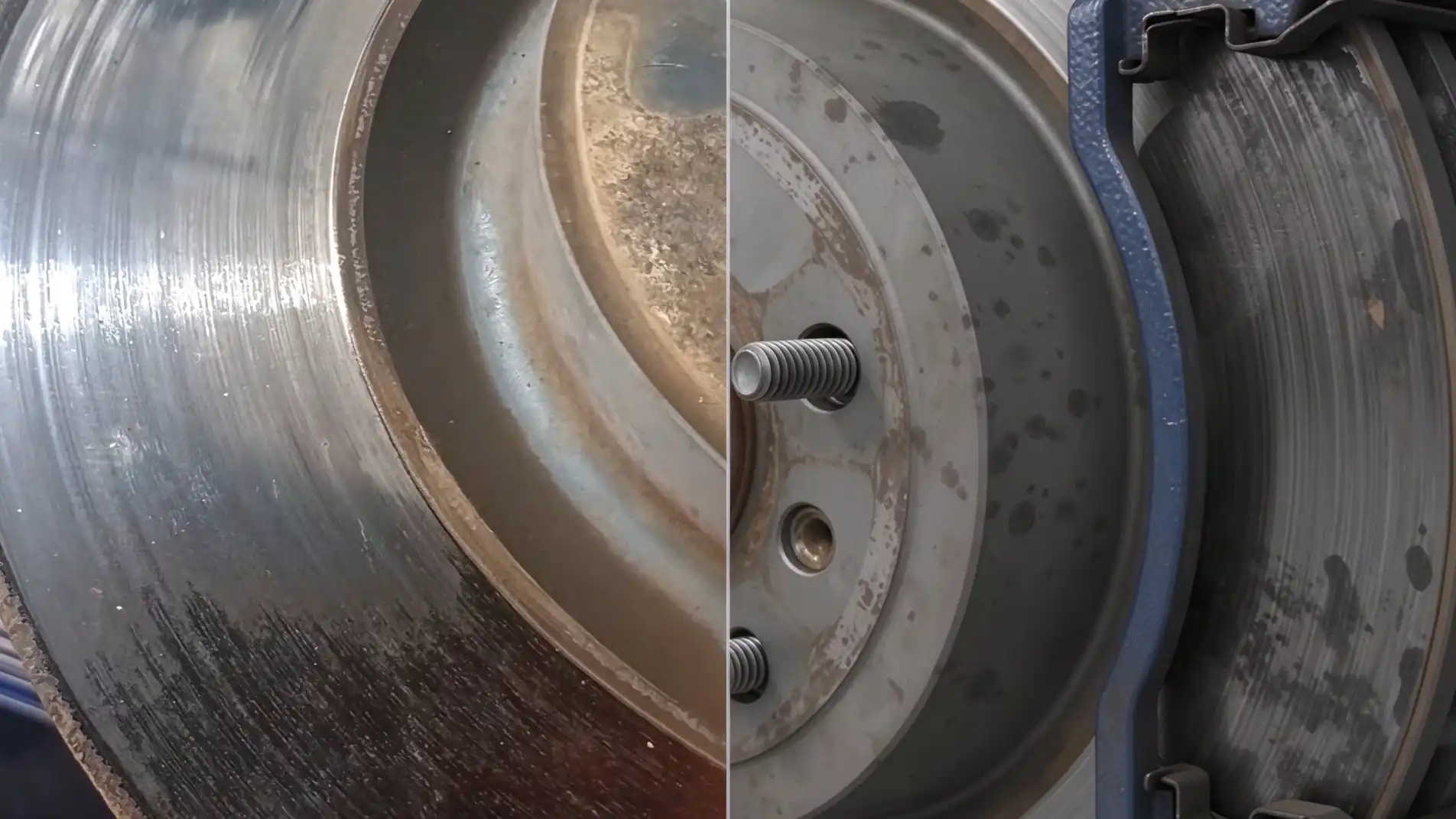
Check for excessive disc thickness variation, lateral runout, deep grooves, cracks, severe corrosion, and heat damage. If necessary, use a dial indicator to measure lateral runout and compare the results with the manufacturer’s specifications.
05.
Replace the Rotors and Bed In the Brakes
Replacing both brake rotors on the same axle as a pair is generally recommended, subject to the vehicle manufacturer’s service requirements. After installing new rotors and brake pads, follow the manufacturer’s recommended bedding-in procedure to help establish proper contact between the friction surfaces.
Can You Check Brake Discs Without Removing Wheel?
You can perform a preliminary inspection of your brake rotors without removing the wheels by using a flashlight and a mirror. Check the rotor surfaces for cracks, deep scoring, and visible signs of damage or excessive wear. Also, watch for warning signs such as unusual noises during braking, brake pedal pulsation, or reduced braking performance. In addition, a brake rotor thickness gauge designed for use without removing the wheel can help you perform a preliminary thickness check.
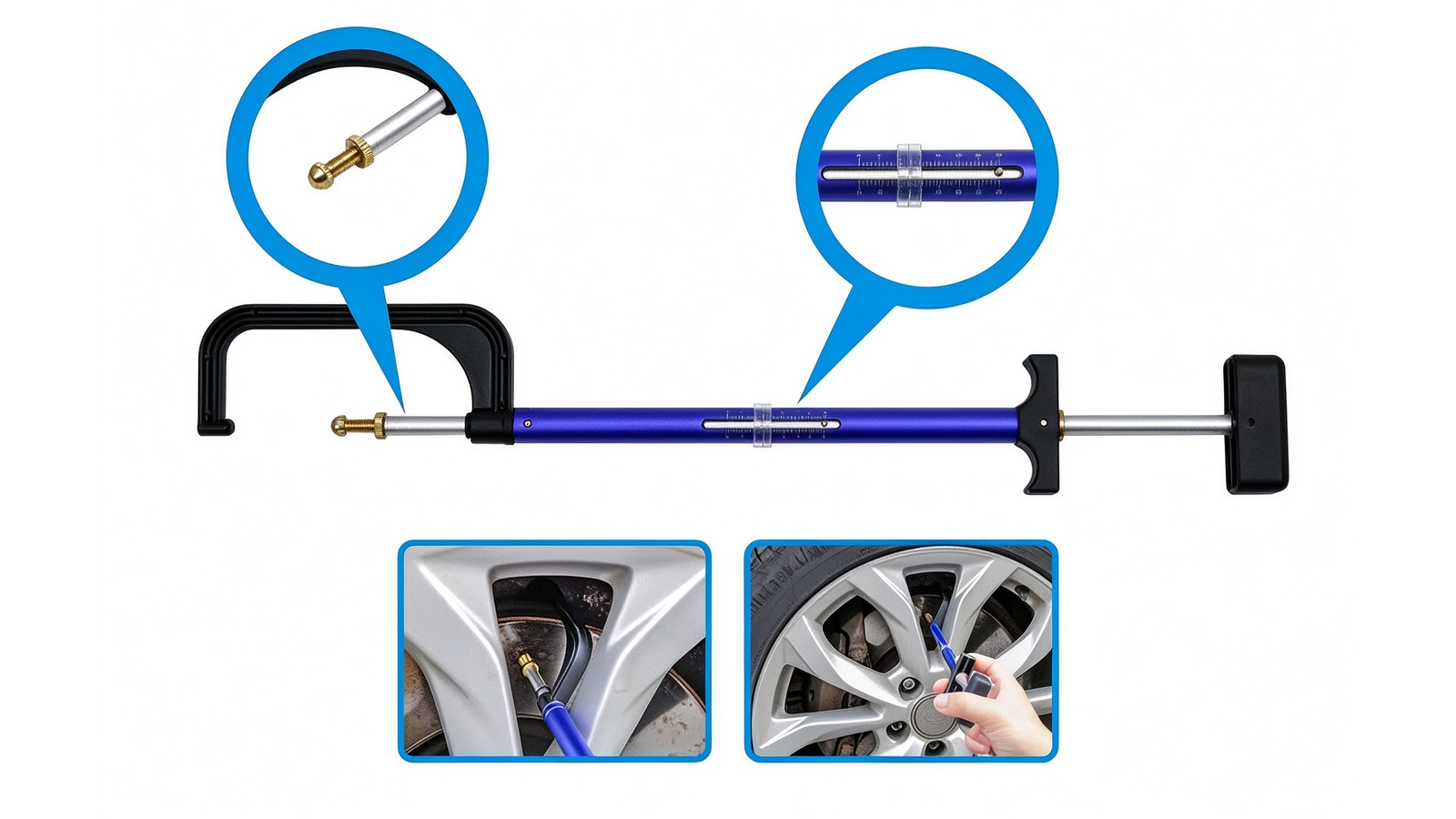
However, a visual inspection and an initial thickness check may not provide a complete assessment of the rotor’s condition. If you notice significant wear or the measured thickness is close to the manufacturer’s specified minimum thickness, remove the wheels for a more thorough inspection when practical. Use a micrometer or an appropriate measuring tool to measure the rotor thickness and compare the results with the manufacturer’s specifications. This will help determine whether the rotors need to be replaced to maintain safe braking performance.
Brake Disc Manufacturer for Global Automotive Markets
Looking for a reliable brake disc manufacturer? We supply automotive brake discs with OEM customization, strict quality control, and wholesale solutions for global distributors and aftermarket brands.
Read More
Related Articles