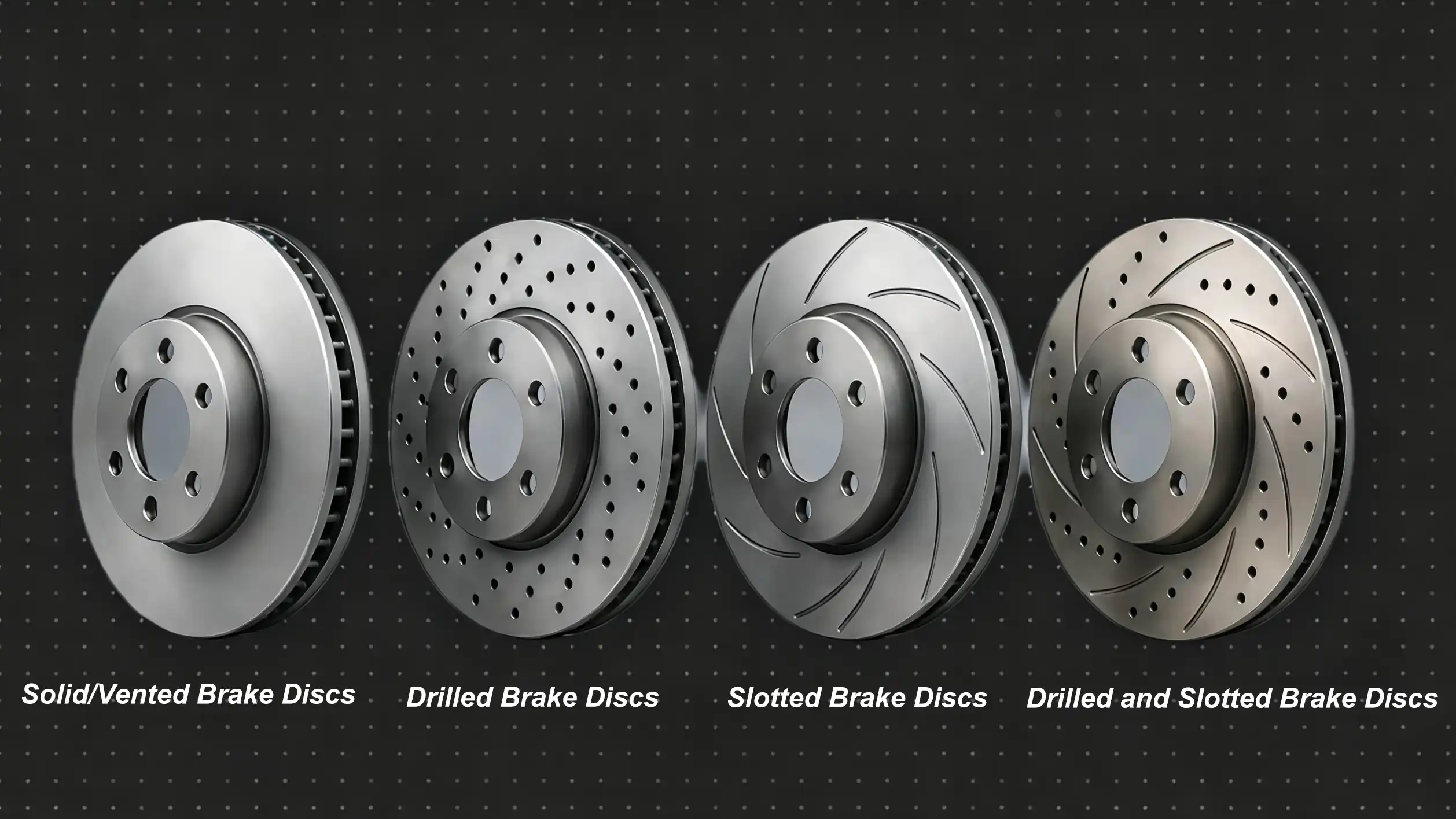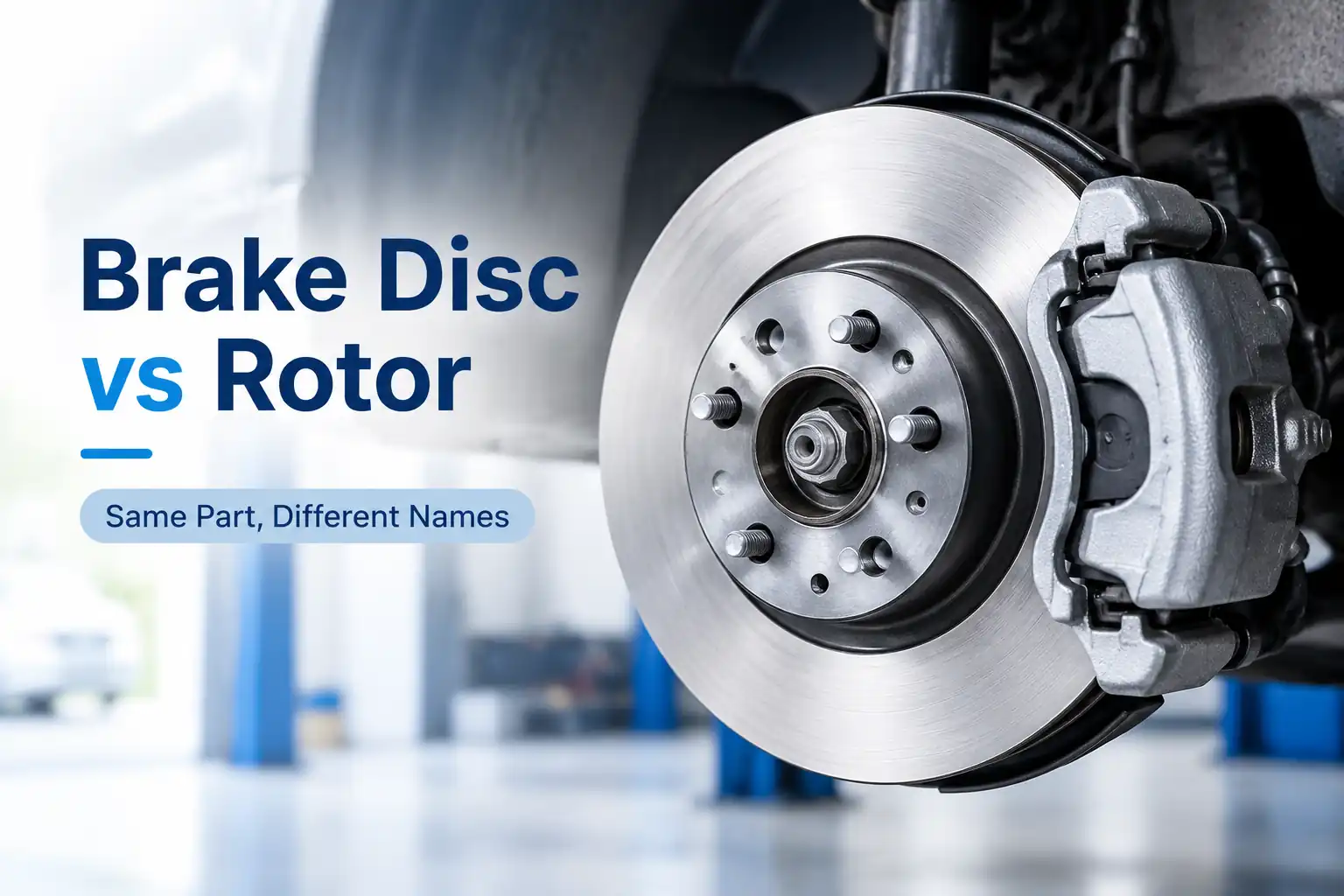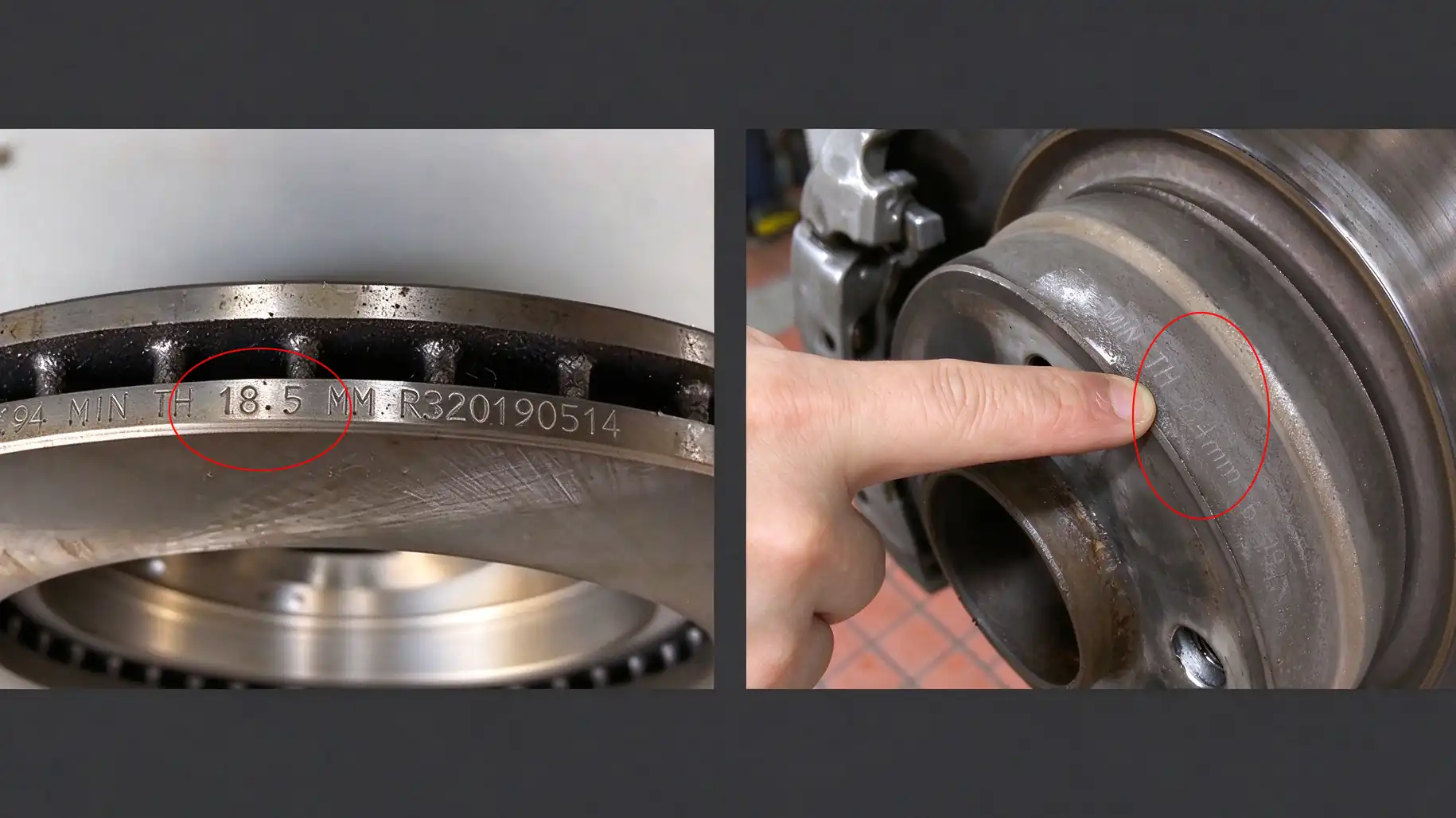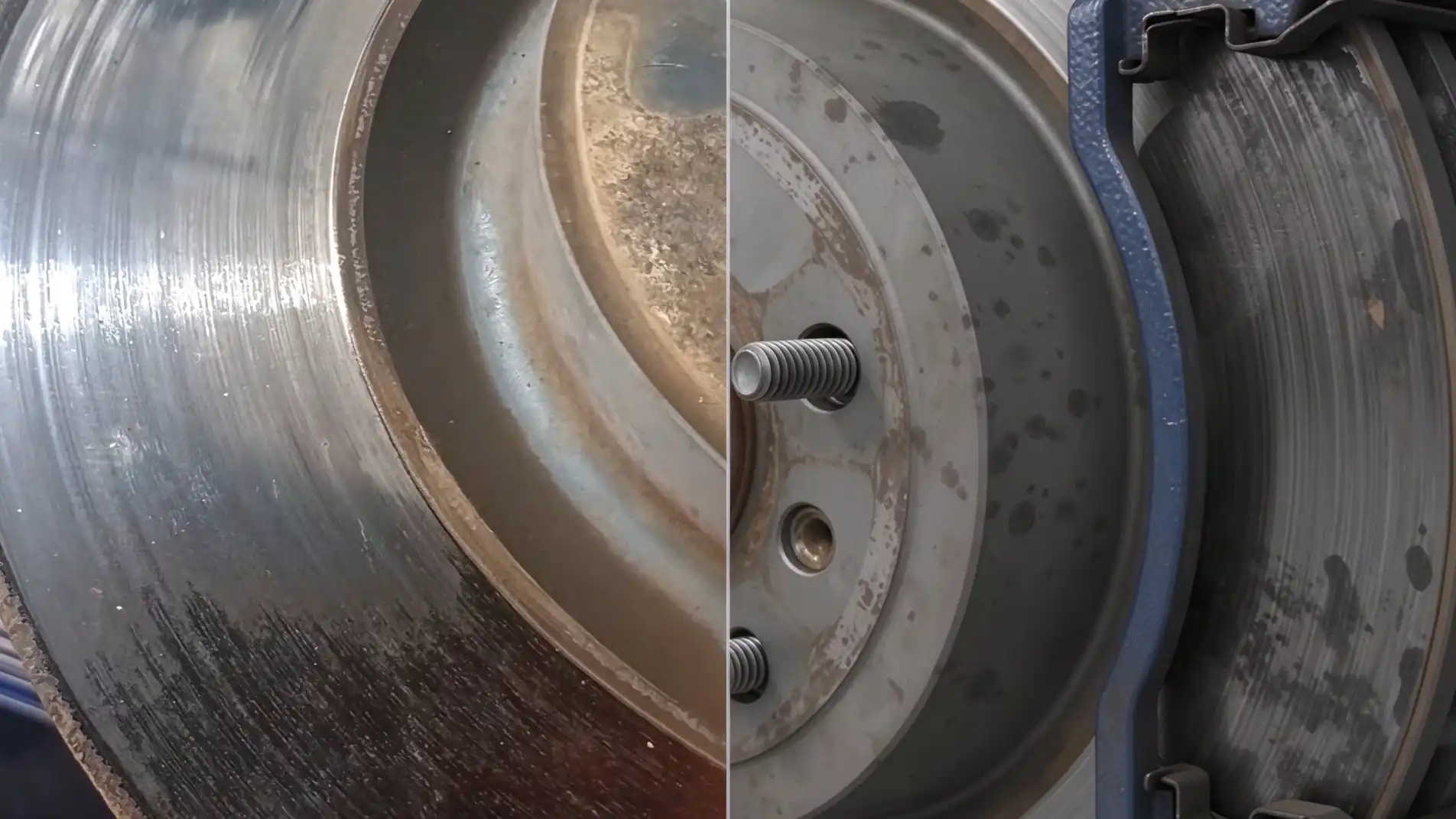
Brake discs work with brake pads to slow down a vehicle. Solid and ventilated brake discs differ in construction, heat dissipation, cost, and typical applications.
Solid brake discs have a simple design without internal cooling passages and are generally more affordable. Ventilated brake discs have internal cooling passages that help dissipate heat more effectively under demanding braking conditions.
Understanding these differences can help vehicle owners and automotive parts buyers choose the right brake disc for their needs.
What Is a Solid Brake Disc?
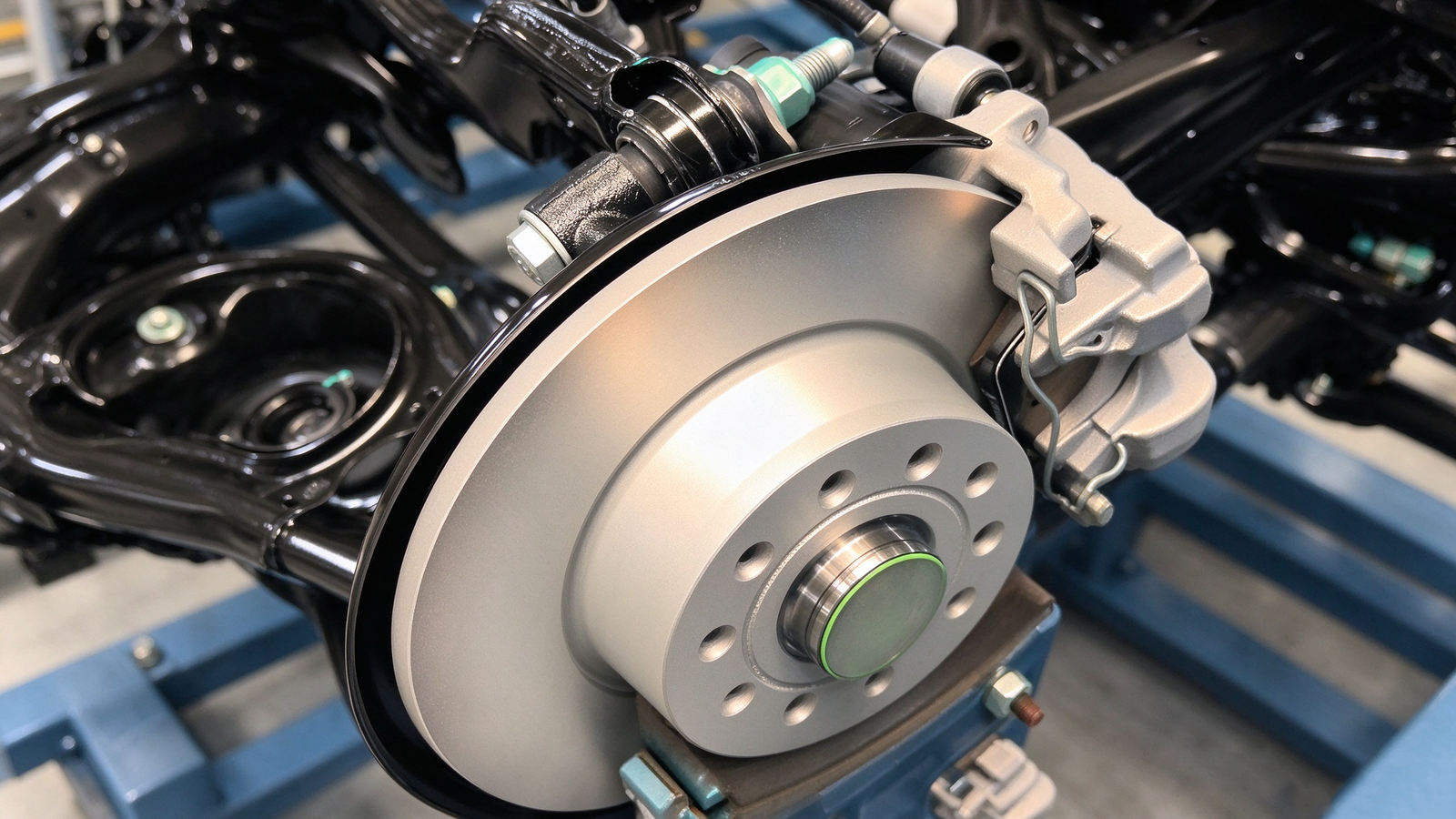
A solid brake disc has a simple, one-piece design without internal cooling passages. When braking, the brake pads press against the disc, converting the vehicle’s kinetic energy into heat through friction.
Solid brake discs are generally less expensive to manufacture than comparable ventilated brake discs, making them suitable for vehicles with moderate braking demands.
Advantages of Solid Brake Discs
01.
Simple Construction
Without internal cooling vanes, solid brake discs have a simple structure and are generally easier to manufacture.
02.
Cost Efficiency
Solid brake discs are generally a more economical option for applications that do not require additional cooling capacity.
03.
Reliable Braking
When properly matched to the vehicle, solid brake discs provide reliable braking under normal driving conditions.
Limitations of Solid Brake Discs
Solid brake discs generally dissipate heat less effectively than ventilated brake discs. During repeated heavy braking, heat buildup may affect braking performance, depending on the brake system and operating conditions.
Typical Applications
Solid brake discs are commonly used on the rear axles of some passenger cars. They may also be used on the front axles of certain smaller vehicles, depending on the braking system design.
What Is a Ventilated Brake Disc?
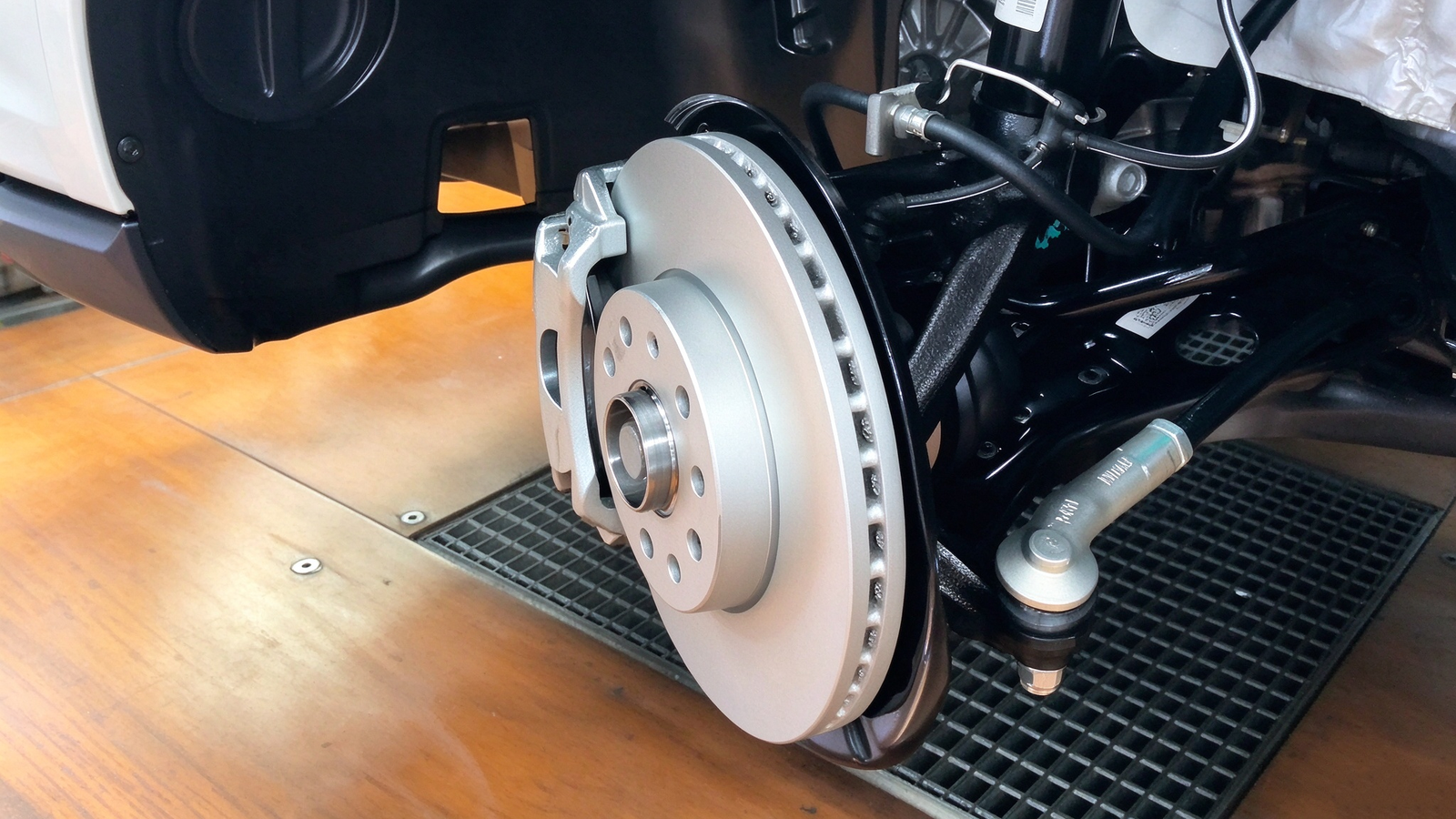
A ventilated brake disc has two friction surfaces separated by internal cooling vanes that form air passages. As the disc rotates, air flows through these passages, helping dissipate heat.
Ventilated brake discs are commonly used in vehicles that require greater heat-dissipation capacity, particularly in many front braking systems.
Advantages of Ventilated Brake Discs
01.
Improved Heat Dissipation
Internal cooling passages help dissipate heat from the disc, especially during repeated braking.
02.
Reduced Risk of Brake Fade
By helping control heat buildup, ventilated brake discs can reduce the risk of brake fade under demanding braking conditions.
Limitations of Ventilated Brake Discs
Ventilated brake discs have a more complex structure than solid brake discs and generally cost more to manufacture. Their heat-dissipation performance depends on factors such as disc dimensions, material properties, cooling vane design, and airflow.
Typical Applications
Ventilated brake discs are commonly used on the front axles of many passenger cars and SUVs. Some vehicles also use them on the rear axles, depending on their braking requirements and system design.
How to Choose the Right Brake Disc
Choosing the right brake disc requires considering vehicle compatibility, braking requirements, product quality, and total cost.
Brake Disc Manufacturer for Global Automotive Markets
Looking for a reliable brake disc manufacturer? We supply automotive brake discs with OEM customization, strict quality control, and wholesale solutions for global distributors and aftermarket brands.
Read More
01.
Check Vehicle Compatibility
Confirm the vehicle make, model, year, and original equipment (OE) specifications. Disc dimensions, bolt pattern, center bore, and caliper compatibility must match the specific application.
02.
Consider Braking Requirements
Vehicle weight, driving conditions, and braking loads affect heat-dissipation requirements. For repeated heavy braking, follow the vehicle manufacturer’s specifications or approved engineering recommendations.
03.
Evaluate Manufacturing Quality
Material consistency, casting quality, machining accuracy, and dimensional control all affect brake disc quality. Buyers should also assess suppliers’ manufacturing processes and quality inspection procedures.
04.
Compare Total Cost
The lowest unit price does not always offer the best value. Consider product consistency, warranty coverage, packaging, delivery reliability, and vehicle application range to support efficient inventory management and customer satisfaction.
FAQ
Related Articles