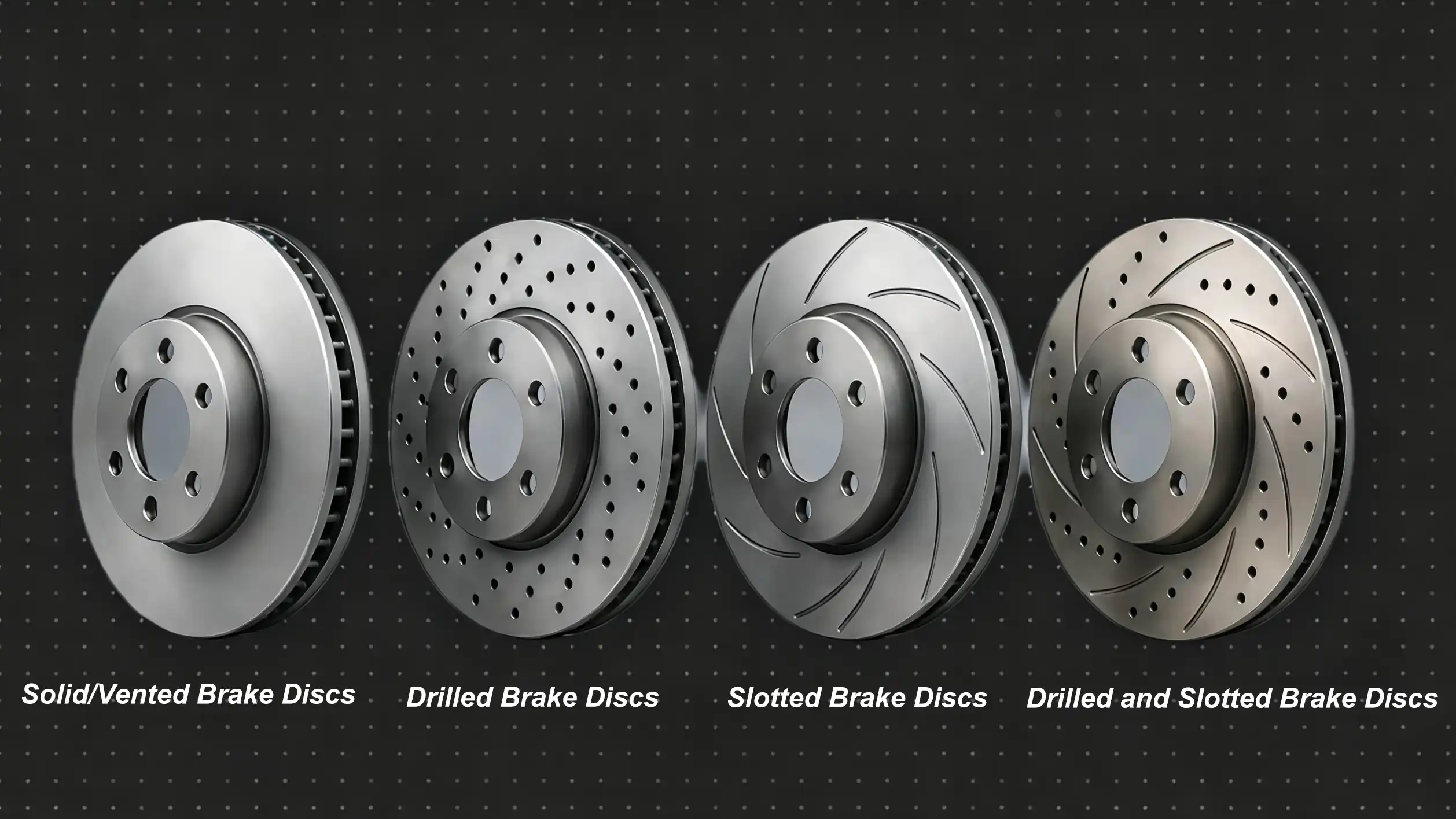
Modern brake rotors are typically made of cast iron, which can withstand the high temperatures generated during braking. Under normal driving conditions, rotors are unlikely to undergo permanent distortion from heat alone. Brake pedal pulsation or steering wheel vibration during braking may be caused by uneven rotor thickness or uneven deposits of brake pad material on the rotor surface. Severe overheating can also damage the rotor surface or worsen these problems.
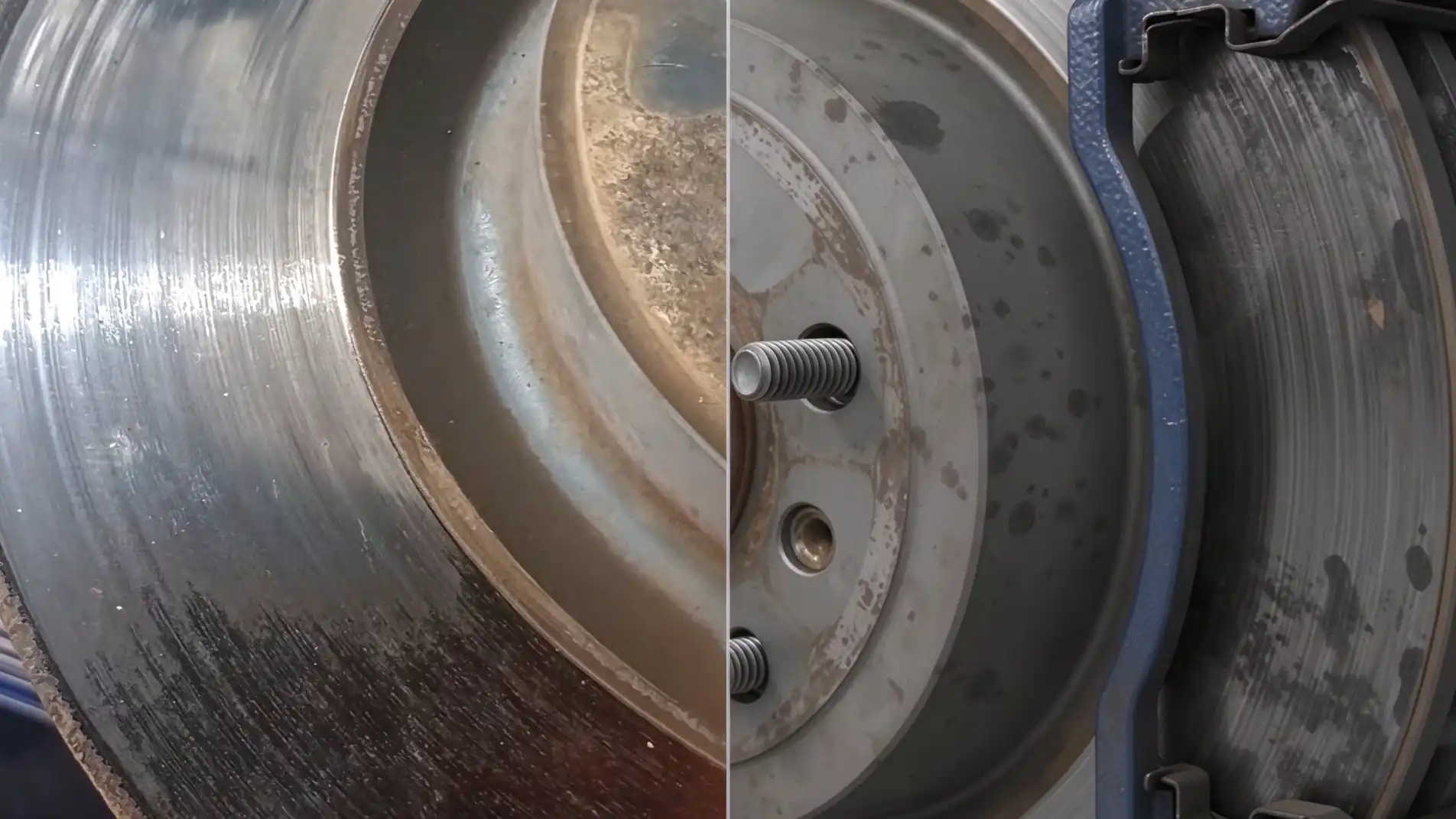
What Causes Warped Rotors?
Brake pedal pulsation or steering wheel vibration during braking does not necessarily mean the brake rotor is actually warped. These symptoms may also be caused by excessive lateral runout, disc thickness variation (DTV), or uneven deposits of brake pad material on the rotor surface.
01.
Improper Installation
Incorrect lug nut torque
Incorrect or unevenly applied lug nut torque can prevent the rotor from seating properly against the hub, potentially causing excessive lateral runout.
Dirty mating surfaces
Rust, dirt, or debris between the hub and rotor can prevent proper seating and increase the risk of excessive lateral runout.
02.
Overheating and Uneven Material Deposits
Frequent hard braking or prolonged downhill driving
Repeated heavy braking generates significant heat. If the heat cannot dissipate adequately, the rotor may overheat or suffer surface damage.
Holding the brakes after hard braking
Coming to a stop after hard braking and keeping the brakes applied while the rotors are still hot can cause localized deposits of brake pad material on the rotor surface, potentially resulting in brake vibration or pulsation.
Improper bedding-in
Failure to properly bed in new brake pads and rotors can lead to uneven friction material transfer, potentially causing brake vibration.
Poor-quality or incompatible brake pads
Inferior friction materials or pads that are incompatible with the rotors may increase the risk of uneven material deposits and brake vibration.
03.
Component Faults and Wear
Sticking brake caliper
A sticking caliper or seized caliper slide pins can cause the brake pads to drag, wear unevenly, and generate localized heat, potentially leading to brake vibration.
Worn or loose wheel bearings
Worn or loose wheel bearings can increase rotor lateral runout, potentially affecting braking performance and smoothness.
Uneven rotor wear
Disc thickness variation or localized surface damage can cause vibration during braking.
Rotor below minimum thickness
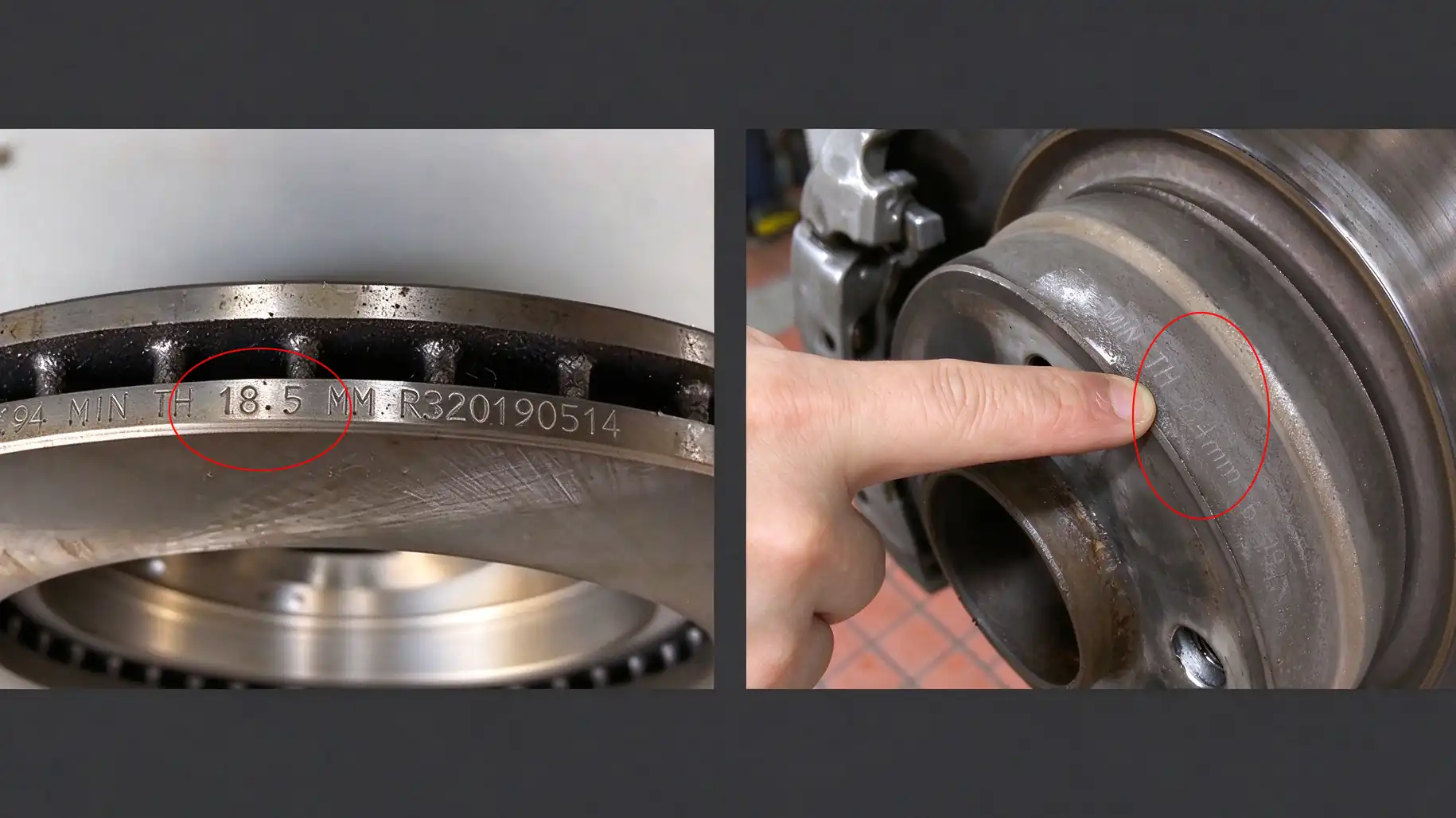
When a rotor wears below the manufacturer’s specified minimum thickness, its heat capacity is reduced and it is no longer within the specified service limits. The rotor must be replaced.
When Can Brake Rotors Actually Warp Due to Excessive Heat?
Brake rotors can suffer heat-related distortion or damage under extreme conditions, but this is uncommon during normal everyday driving.
01.
Sustained heavy braking with inadequate cooling
Track driving or prolonged heavy braking can cause heat to build up in the rotors, potentially leading to thermal damage or permanent distortion.
02.
Rapid cooling after severe overheating
Sudden exposure to cold water can create significant thermal stresses in an overheated rotor, increasing the risk of cracking and other heat-related damage.
03.
Poor-quality brake rotors
Substandard materials or manufacturing defects can reduce a rotor’s heat resistance, making it more susceptible to thermal damage.
Such cases are relatively uncommon. Under normal driving conditions, brake vibration does not necessarily mean the rotor is physically warped. Other possible causes include disc thickness variation, uneven brake pad material deposits, and excessive lateral runout.
warped brake rotor symptoms
Disc thickness variation (DTV) can cause brake pedal pulsation and steering wheel vibration during braking. These symptoms may become more noticeable during high-speed braking. Even a thickness variation of around 0.05 mm (0.002 in) can produce noticeable vibration, so brake vibration does not necessarily indicate a physically warped rotor.
Should You Repair or Replace a Problematic Brake Rotor?
If the issue is limited to uneven brake pad material deposits and the rotor has no significant wear or damage, re-bedding the brakes may help restore more uniform friction characteristics and reduce brake vibration. Always follow the manufacturer’s recommendations for the proper procedure.
If disc thickness variation (DTV) exceeds the specified limit, assess whether the rotor can be safely resurfaced. Resurfacing is an option only if the rotor will remain above the manufacturer’s minimum thickness specification after machining. Otherwise, it must be replaced.
If the rotor is already close to its minimum allowable thickness, replacement is generally the better option. Resurfacing removes additional material, further reducing the rotor’s thermal capacity.
How to Prevent Brake Rotor Problems
Brake vibration can result from improper installation, uneven brake pad material deposits, component wear, or overheating. The following steps can help reduce the risk of these problems:
01.
Tighten lug nuts to the specified torque
Use a torque wrench and follow the vehicle manufacturer’s specified torque and tightening sequence to help ensure even clamping force.
02.
Properly bed in new brake pads and rotors
Follow the manufacturer’s recommended bedding-in procedure to promote even friction material transfer and consistent braking performance.
03.
Avoid holding the brakes when the rotors are extremely hot
After heavy braking, avoid keeping the service brakes applied for extended periods while the rotors are extremely hot, when it is safe and practical to do so. Always secure the vehicle properly when parked.
04.
Choose high-quality, compatible brake pads and rotors
Use components that meet the vehicle manufacturer’s specifications to reduce the risk of uneven material deposits and braking problems.
05.
Inspect calipers and slide pins regularly
Address sticking components promptly to prevent brake pad drag, uneven wear, and localized overheating.
06.
Replace rotors that are too thin
Replace any rotor that has reached or fallen below the manufacturer’s specified minimum thickness.
07.
Use engine braking on long downhill grades
Reduce the load on the service brakes and help prevent rotor overheating caused by prolonged heavy braking.
Brake Disc Manufacturer for Global Automotive Markets
Looking for a reliable brake disc manufacturer? We supply automotive brake discs with OEM customization, strict quality control, and wholesale solutions for global distributors and aftermarket brands.
Read More
Related Articles