1. Know Your Mitsubishi Fuso Canter: Generations & Model Codes
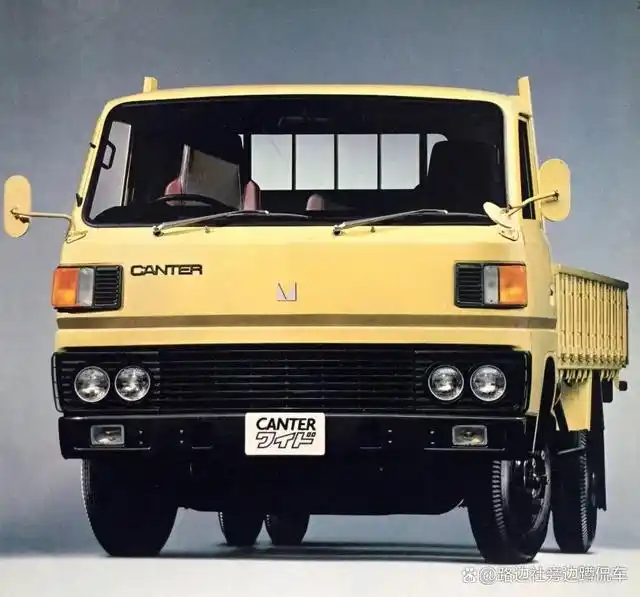
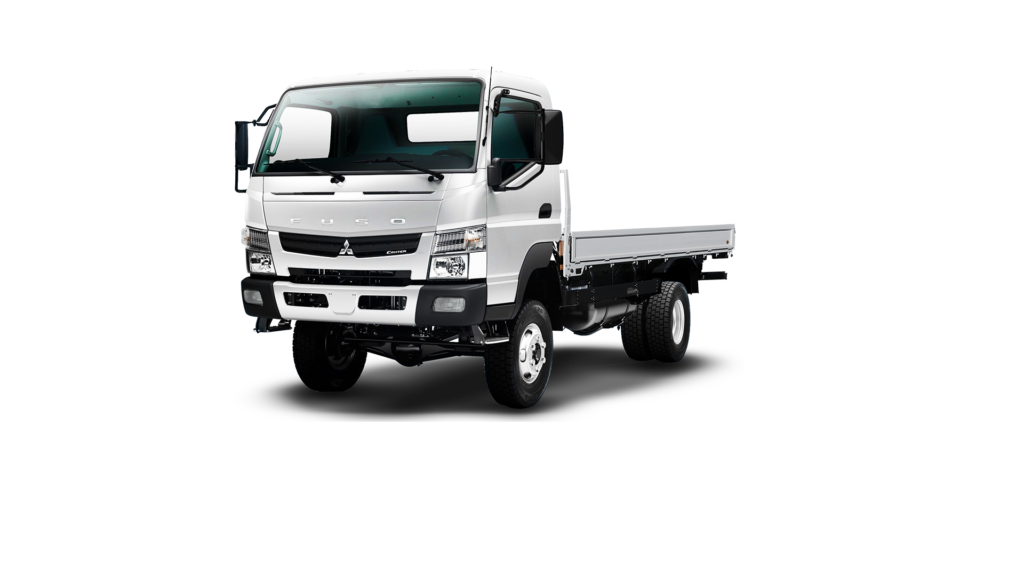
Before you order a single part, you need to know exactly which Canter you’re dealing with. The Fuso Canter has been in production since 1963 — over 4.5 million units sold across 9 generations. That’s a lot of variation, and a brake drum from a 7th-gen Canter won’t fit a 5th-gen one.
Key Model Codes You’ll Encounter
| Model Code | Configuration | Common Markets |
|---|---|---|
| FE | Standard cab, 4×2, rear-wheel drive | Most common globally |
| FG | 4×4, all-wheel drive | Construction, mining, off-road |
| GE | Wide cab variant | Select Asian markets |
Engine Codes That Affect Parts Selection
| Engine | Displacement | Typical Generation |
|---|---|---|
| 4D30 | 3.0L Diesel | 5th–6th Gen (1980s–1990s) |
| 4D32 / 4D33 | 3.3L / 4.2L Diesel | 6th–7th Gen (1990s–2000s) |
| 4D34 | 3.9L Diesel | 7th Gen (2000s) |
| 4M50 / 4M51 | 4.9L / 5.2L Diesel | 7th–8th Gen |
| 4P10 | 3.0L Turbo Diesel | 8th–9th Gen (2010s–present) |
Pro tip: Always have the chassis number (VIN) ready when ordering parts. The chassis number — not the model year alone — is the single most reliable way to cross-reference the correct part. Different markets sometimes received different specs in the same model year.
2. The Parts That Wear Out First
Not all Canter parts wear at the same rate. If you’re stocking inventory or placing a bulk order, focus on high-wear, high-frequency replacement items — these are what your customers ask for most.
Brake System (Highest Demand)
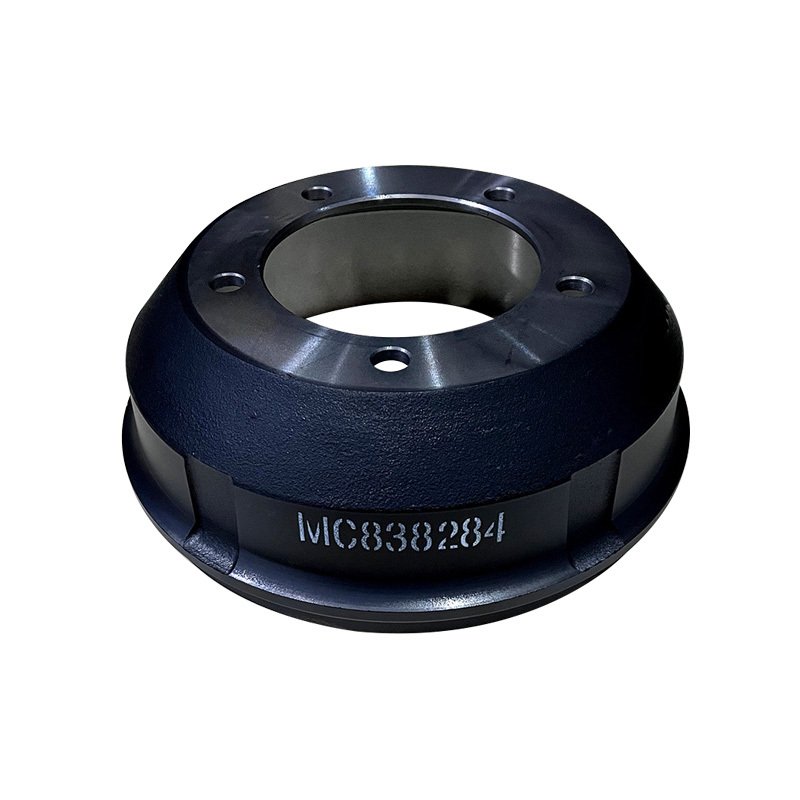
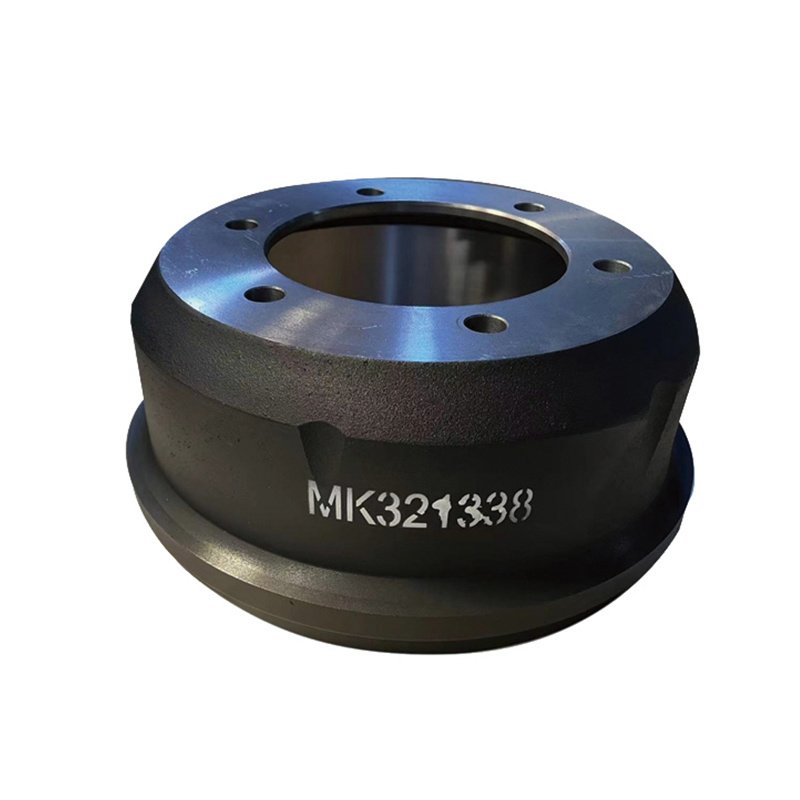
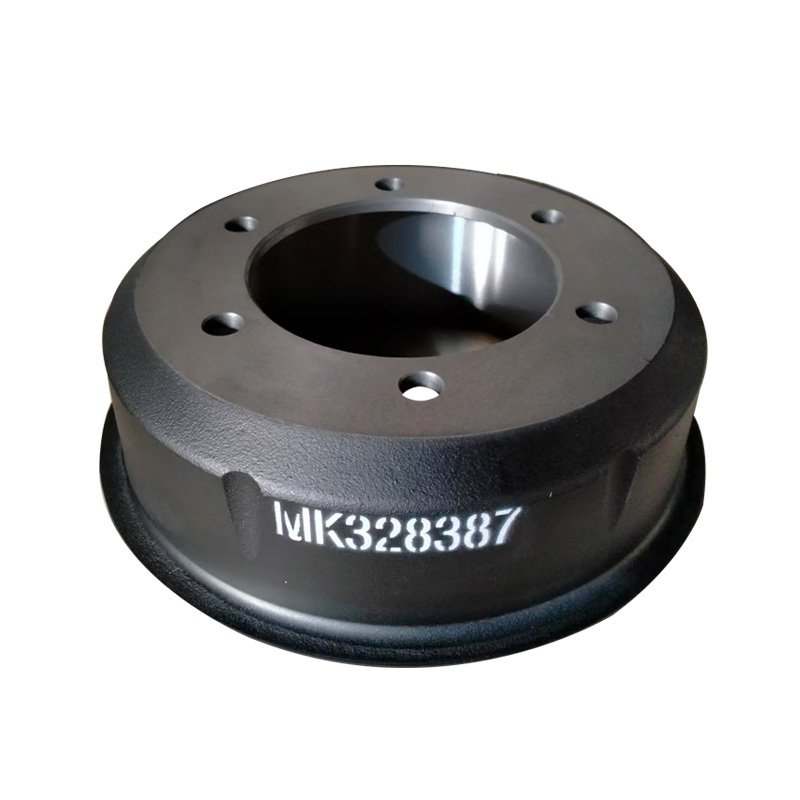
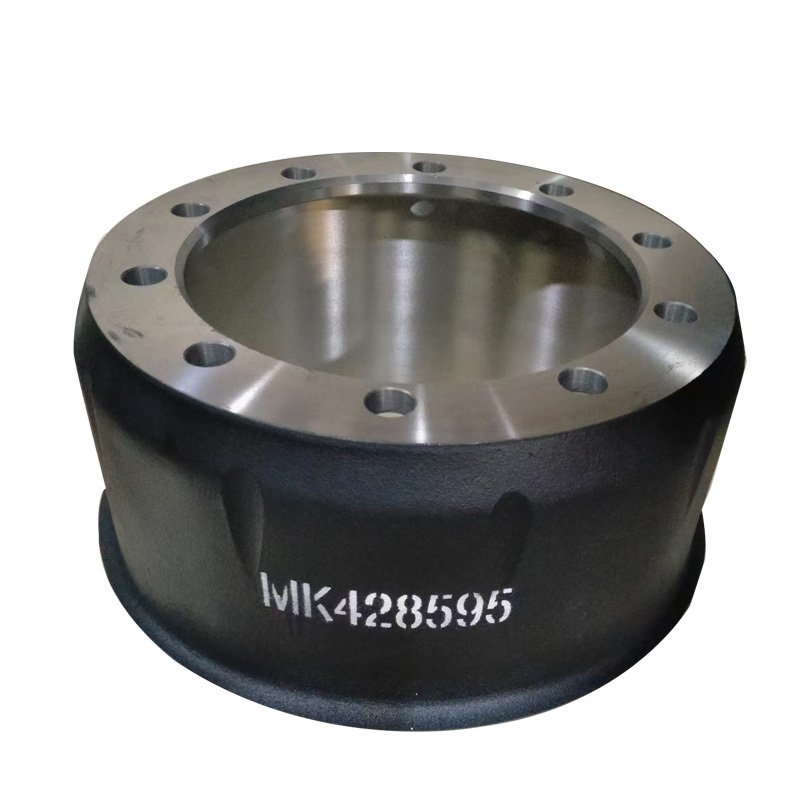
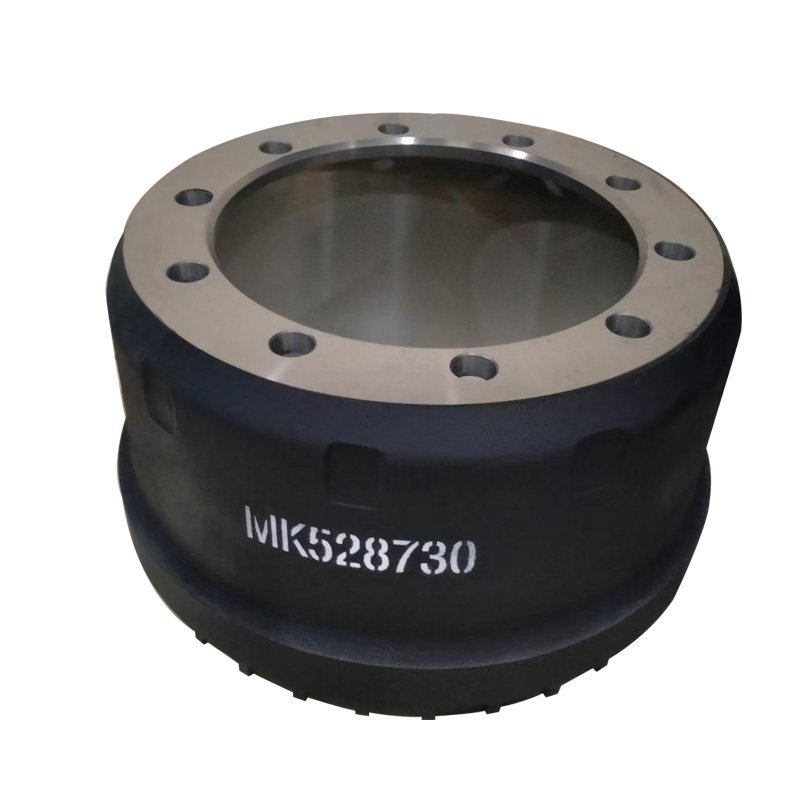
- Brake drums — Replace every 150,000–300,000 km depending on load and driving conditions. Warping, cracking, and wear beyond the maximum diameter spec are the most common failure modes.
- Brake shoes / brake pads — The friction material wears down. Always replace in axle sets (both sides).
- Brake wheel cylinders — Leakage from aging seals is common on older Canters. Inspect for fluid seepage at every brake service.
- Brake master cylinder & booster — Failure here means complete brake loss. Do not compromise on quality for these components.
Wheel End & Hub Assembly
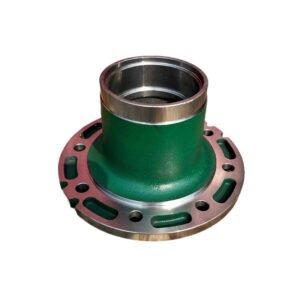
- Wheel hubs — Bearing seat wear, stud hole elongation, and flange cracking are common on high-mileage vehicles. A worn hub shortens bearing life and causes uneven brake wear.
- Wheel bearings — Noise, vibration, and heat are the warning signs. Replace bearings and hub seals together.
- Hub seals / oil seals — Cheap seals fail fast. A leaking hub seal contaminates brake shoes and costs you a bigger repair.
Suspension & Steering
- Leaf springs & bushings — Overloaded Canters eat through bushings. U-bolts should be replaced, not reused.
- Tie rod ends & drag links — Loose steering is a safety issue. Check for play at every service interval.
- Shock absorbers — Often overlooked. Worn shocks increase stopping distance and tire wear.
Drivetrain
- Clutch kit (pressure plate, disc, release bearing) — Replace as a complete kit, not piece by piece.
- Universal joints (U-joints) — Greaseable vs. sealed. Greaseable joints last longer if maintained.
- Engine mounts & transmission mounts — Vibration at idle is the telltale sign.
3. OEM vs. Aftermarket: When to Spend, When to Save
This is the question every parts buyer faces. Here’s the honest breakdown.
| Component | Recommendation | Reason |
|---|---|---|
| Brake drums | Aftermarket (quality manufacturer) | OEM drums are 2–3x the price. A well-made aftermarket drum from a certified foundry matches OEM performance at half the cost. |
| Wheel hubs | Aftermarket (quality manufacturer) | Same logic as brake drums. The key is the casting quality and machining tolerance — not the brand stamp. |
| Brake master cylinder | OEM or premium aftermarket | Safety-critical. Don’t gamble here. |
| Wheel bearings | Premium brand (Timken, NSK, Koyo) | Cheap bearings fail early. The labor cost of re-replacement exceeds the part savings. |
| Leaf spring bushings | Aftermarket | High-wear, low-complexity. Polyurethane upgrades are available. |
| Clutch kit | OEM or premium aftermarket | Labor-intensive to replace. Do it once, do it right. |
The pattern is clear: safety-critical and labor-intensive parts justify spending more. Wear items with straightforward installation are where quality aftermarket parts from a trusted supplier give you the best margin.
4. Sourcing from China: A Practical Guide
China is the world’s largest producer of commercial vehicle aftermarket parts. If you’re a distributor, you already know the opportunity — but you probably also know the risks. Here’s how to do it right.
Why Source Canter Parts from China?
- Price. Factory-direct parts typically cost 40–60% less than OEM equivalents. That margin flows directly to your bottom line.
- Availability. Chinese manufacturers produce parts for older Canter generations that OEMs have discontinued. If you need 4D30-era brake drums, China is often your only option.
- Customization. Many factories offer private labeling, custom packaging, and spec modifications — something OEM channels won’t do for a small or mid-size distributor.
How to Vet a Chinese Parts Supplier
- Manufacturer vs. trading company. Ask directly: “Do you own the factory?” A manufacturer controls quality at the source. A trading company buys from the lowest bidder. You want the factory.
- Ask for production photos. Not product photos — production photos. A real manufacturer can show you their casting line, machining center, and QC station. If they can’t, they’re a middleman.
- Request a sample before bulk order. A reputable supplier will ship you a sample for inspection. Test it. Measure it. Install it. Only approve the full production run when you’re satisfied.
- Check certifications. ISO 9001 is the baseline. For brake components, look for ECE R90 or equivalent certification. For foundries, ask about material certifications (HT250 grey iron is standard for commercial vehicle brake drums).
- Communication matters. If responses are slow, unclear, or evasive during the sales process, it won’t get better after you’ve paid. Clear English communication is a filter.
Red flag: A supplier who quotes a price significantly lower than the market average and won’t explain why. There’s always a reason — thinner casting, lower-grade material, skipped QC steps. The savings aren’t worth the warranty claims.
5. Quality Inspection Checklist
When your sample arrives, go through every item on this list before you approve the production run.
For Brake Drums
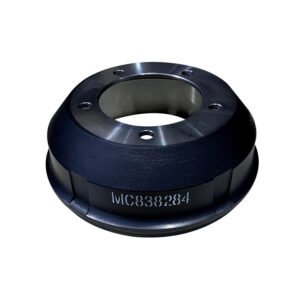
- Measure the inner diameter at multiple points — must be within the specified tolerance range
- Check the mounting surface for flatness — any warp here will cause brake vibration
- Verify the bolt hole pattern matches your reference sample or spec sheet
- Inspect the casting surface for porosity, cracks, or visible defects
- Confirm material grade — request a chemical composition certificate (HT250 minimum)
- Run a dynamic balance test — imbalance causes vibration at speed
- Check the outer diameter and total height against specs
For Wheel Hubs
- Verify bearing seat diameter and surface finish — too rough or too loose = premature bearing failure
- Check stud hole threads with a go/no-go gauge
- Confirm the flange runout is within tolerance
- Inspect the oil seal surface for machining marks or roughness
- Verify the ABS ring mounting surface (if applicable)
General Checks for Any Part
- Compare weight to OEM reference — a significantly lighter part indicates thinner material
- Check packaging quality — professional packaging protects the part and reflects the supplier’s standards
- Verify part numbers, markings, and labeling match your order
- Test-fit one unit on an actual vehicle before approving the batch
6. Five Mistakes That Cost You Money
1. Ordering by price alone. The cheapest quote is rarely the best value. Factor in failure rate, warranty support, and your own reputation with your customers. One bad batch of brake drums can cost you a client permanently.
2. Skipping the sample stage. “I don’t have time for samples.” You have even less time for a container of unusable parts. Always sample first.
3. Not specifying the material grade. “Brake drum” isn’t enough. Specify HT250 grey iron. Specify the hardness range. Put it in the purchase contract. If the supplier can’t or won’t commit to material specs in writing, walk away.
4. Ignoring the chassis number. Ordering by “Canter 2008 model” is a gamble. Different markets, different specs. The chassis number is the only universal identifier. Get it from your customer before you place the order.
5. Treating all aftermarket parts as equal. There’s a massive quality gap between a factory that casts its own brake drums and a trading company that resells whatever is cheapest this month. Know who you’re buying from.
7. Get a Quote for Your Next Fuso Canter Parts Order
We manufacture brake drums and wheel hubs for the Mitsubishi Fuso Canter — from the 4D30-era models through current-generation vehicles. Our foundry and machining facility produces components to OEM specifications at factory-direct prices.
What you get when you work with us:
- HT250 grey iron castings — the same material grade used by OE suppliers
- 100% dynamic balance testing on every brake drum before it leaves the factory
- Sample-first ordering — inspect and test before committing to full production
- English-speaking export team — no translation apps, no misunderstandings
- Custom packaging and private labeling available for ongoing orders
Ready to Stock Quality Canter Parts?
Send us your part numbers, specs, or chassis numbers — we’ll get back to you with a quote within 48 hours. Sample orders available for all new clients.