
Wheel bearings support a vehicle’s weight and allow the wheels to rotate smoothly. Keeping them in good condition is essential for safe and reliable driving.
How long do wheel bearings last? The answer depends on the vehicle, driving conditions, load, and maintenance.
How Long Do Wheel Bearings Last?
Wheel bearing lifespan varies widely. Some bearings may last tens of thousands of miles, while others can last much longer under favorable operating conditions.
For commercial vehicles, actual service life depends on the wheel-end design, operating conditions, and maintenance history. There is no universal mileage figure that applies to every vehicle.
Several factors can affect wheel bearing lifespan:
- Vehicle Load: Heavy loads and overloading increase stress on wheel bearings.
- Driving Conditions: Rough roads, potholes, and repeated impacts can accelerate wear.
- Lubrication and Seals: Insufficient lubrication or damaged seals can lead to premature bearing failure.
- Installation and Maintenance: Improper installation and inadequate maintenance can shorten bearing life.
What Are the Signs of a Bad Wheel Bearing?
Wheel bearing lifespan varies widely. Some bearings may last tens of thousands of miles, while others can last much longer under favorable operating conditions.
For commercial vehicles, actual service life depends on the wheel-end design, operating conditions, and maintenance history. There is no universal mileage figure that applies to every vehicle.
Several factors can affect wheel bearing lifespan:
- Vehicle Load: Heavy loads and overloading increase stress on wheel bearings.
- Driving Conditions: Rough roads, potholes, and repeated impacts can accelerate wear.
- Lubrication and Seals: Insufficient lubrication or damaged seals can lead to premature bearing failure.
- Installation and Maintenance: Improper installation and inadequate maintenance can shorten bearing life.
When Should Wheel Bearings Be Replaced?
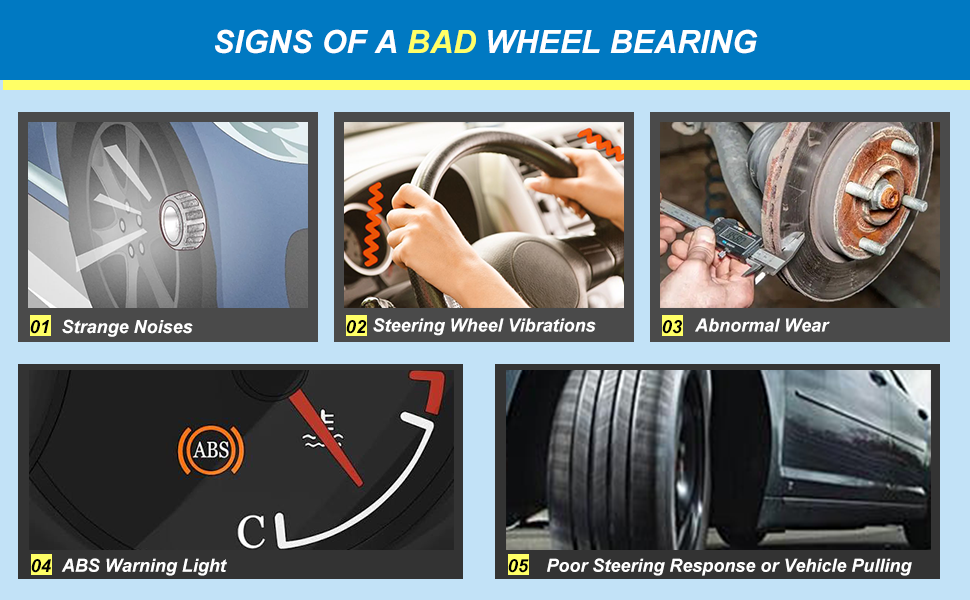
A worn or damaged wheel bearing may show several warning signs:
- Unusual Noises: Humming, rumbling, or grinding sounds while driving.
- Vibration or Excessive Play: Excessive play at the wheel, steering wheel vibration, or changes in vehicle handling.
- Uneven Tire Wear: Uneven wear may occur along with wheel bearing or other suspension problems.
- Excessive Heat or Lubricant Leaks: Unusual heat at the wheel hub or lubricant leakage may indicate a wheel-end problem.
These symptoms can also result from tire, brake, or suspension issues. A proper inspection is needed to identify the cause.
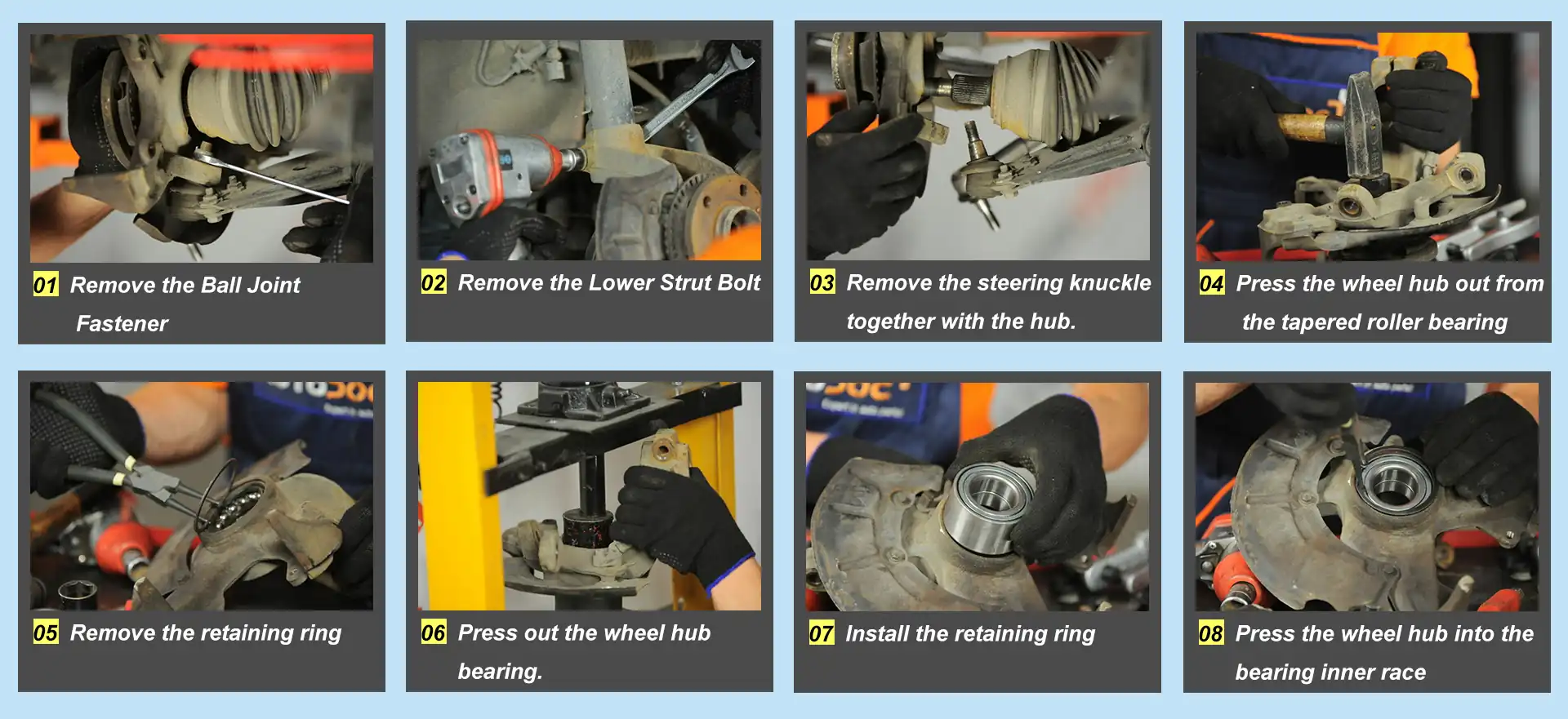
How To Replace A Wheel Bearing?
Learn how to replace a wheel bearing step by step, including required tools, different bearing types, installation procedures, and maintenance tips.
Read More
How Much Does Wheel Bearing Replacement Cost?
Wheel bearing replacement costs depend on the vehicle, bearing design, parts, and labor.
Passenger vehicle repairs may cost a few hundred dollars, while heavy-duty commercial truck repairs can exceed $1,000, particularly when additional wheel-end components are damaged.
For an accurate estimate, request a quote based on your vehicle and the work required.
How Much Does It Cost to Replace a Wheel Bearing?
Learn the cost to replace a wheel bearing, including parts and labor, key factors that affect the price, and how to tell if a repair quote is fair.
Read More
Final Thoughts
Wheel bearing lifespan depends on operating conditions, installation quality, and maintenance.
Regular inspections and responding promptly to unusual noises, vibration, excessive heat, or wheel play can help identify problems early and reduce the risk of unexpected failure.