A grinding or scraping sound when you brake is a clear sign of drum brake trouble. This brake drum noise usually means components have worn past their safe limit.
When cruising at 60 mph, do you suddenly hear a persistent humming noise? Does the sound change with vehicle speed or when turning? Is it coming from the tires, brakes, or wheel bearings?
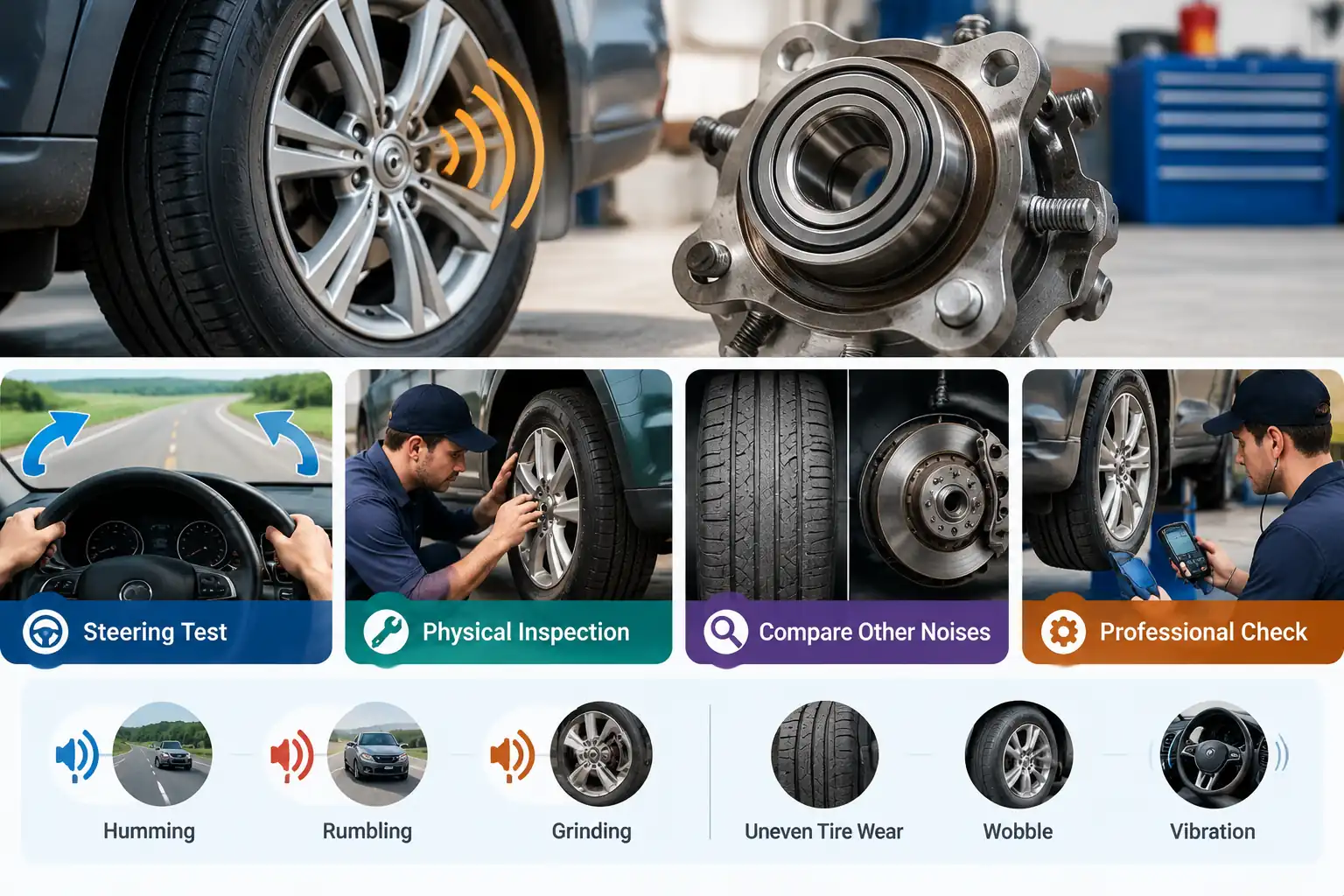
A failing wheel bearing often produces a humming, droning, or grinding noise that changes with vehicle speed or turning. This guide explains how to identify wheel bearing noise, distinguish it from other common vehicle noises, and determine when professional inspection and repair are necessary.
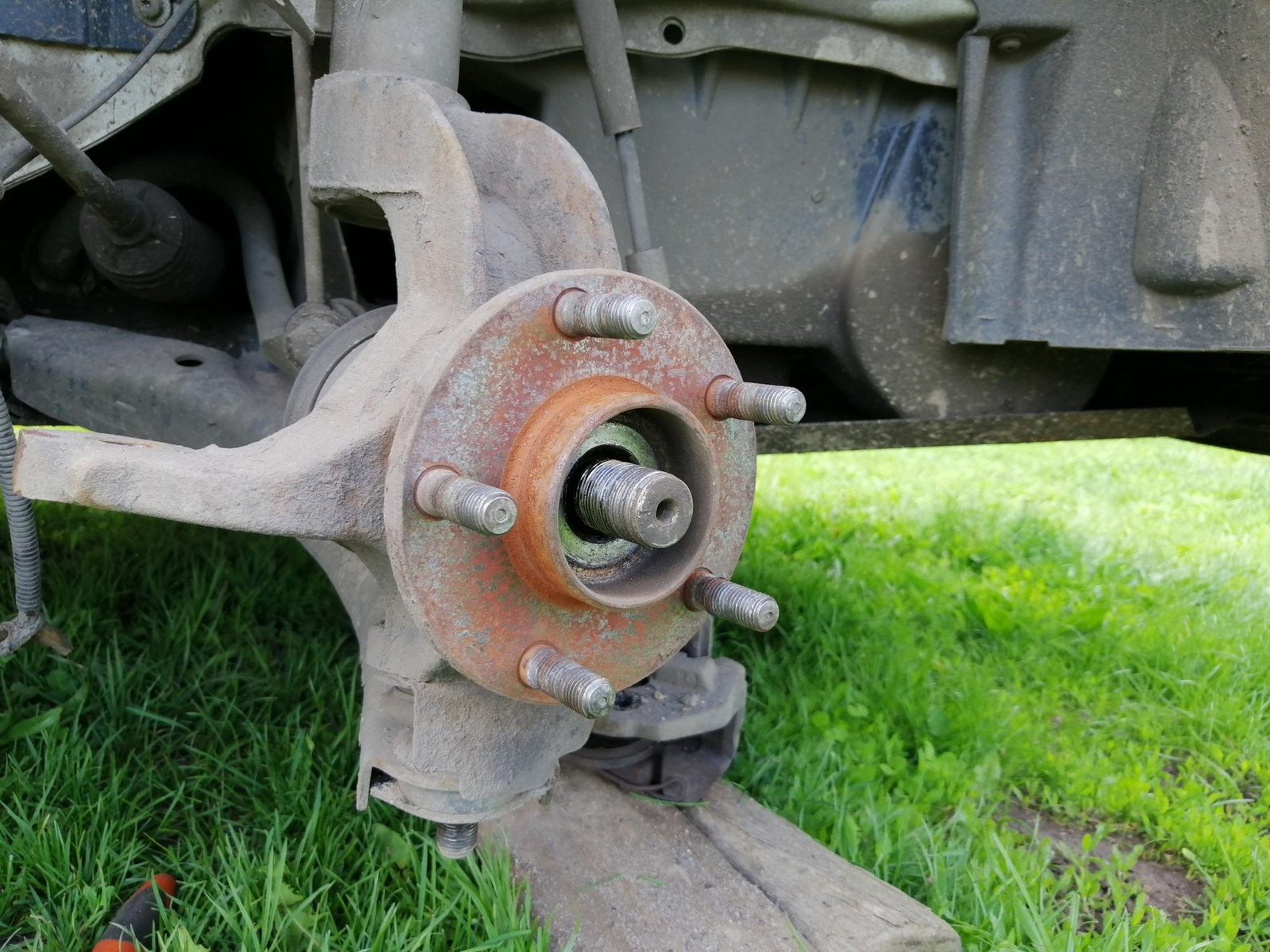
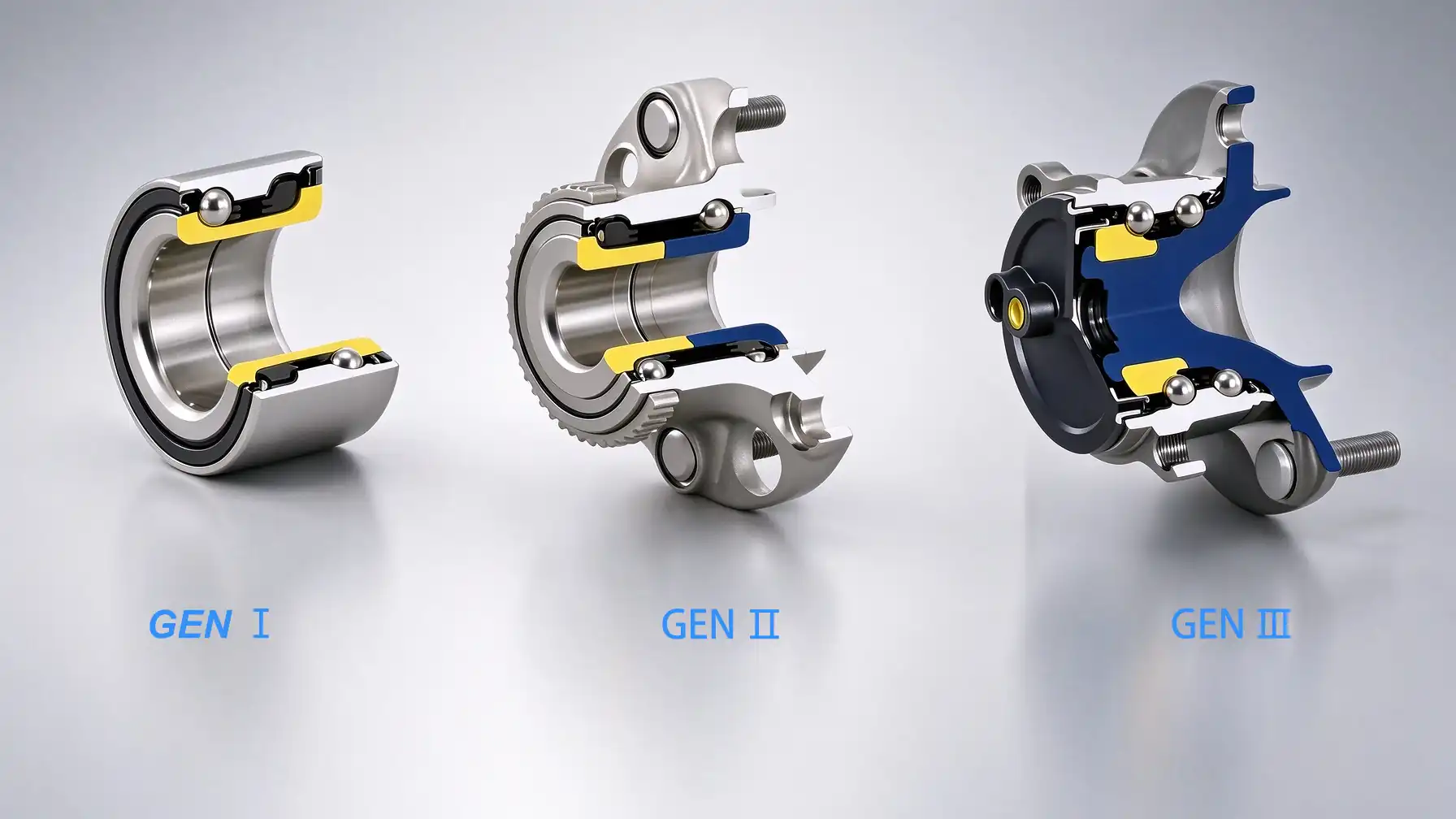
What Is a Wheel Hub?
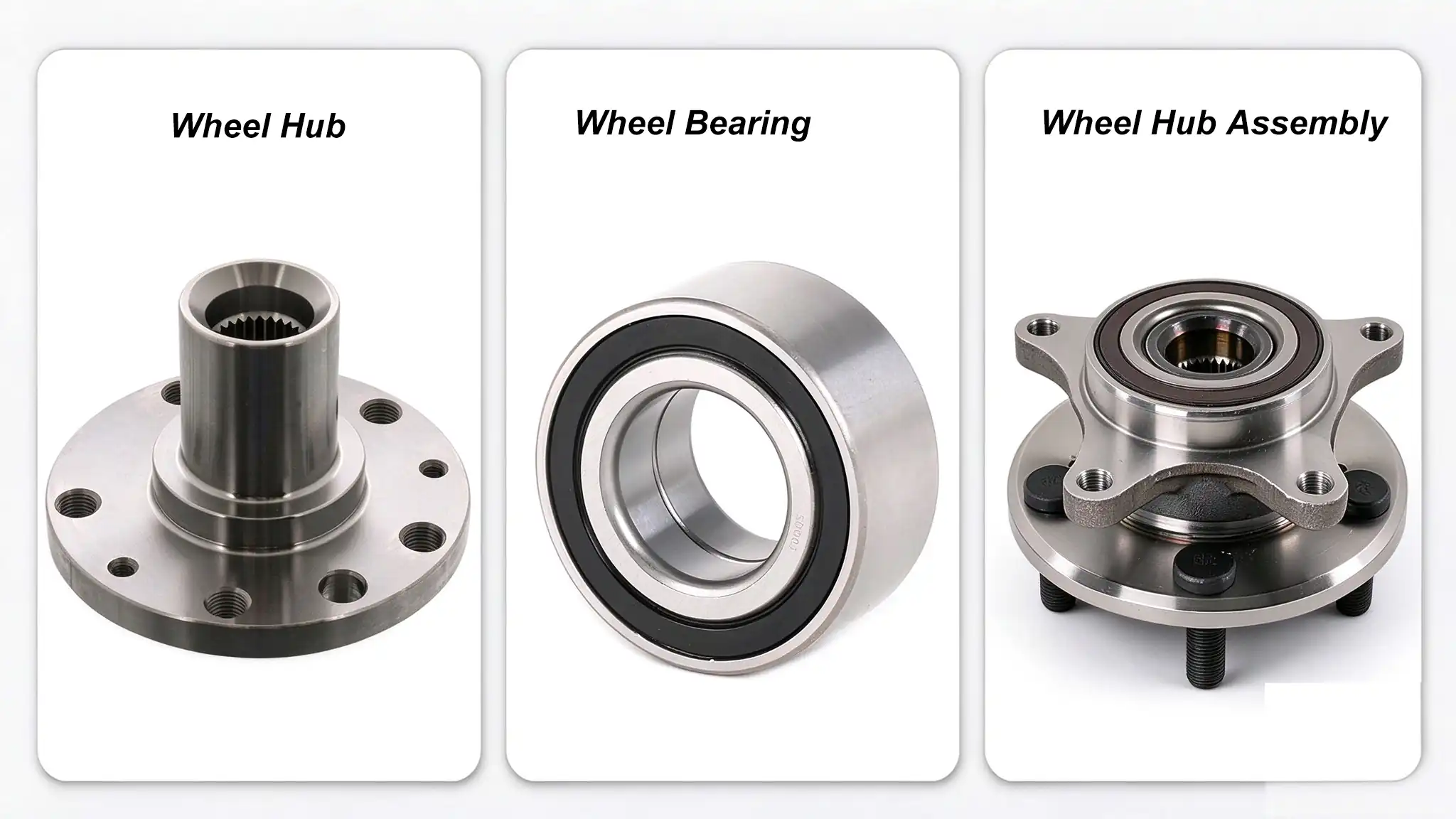
What is a wheel hub? Learn what a wheel hub does, how it works, its main components and types, and how it differs from a wheel bearing and hub assembly.
Read More
What Does a Bad Wheel Bearing Sound Like?
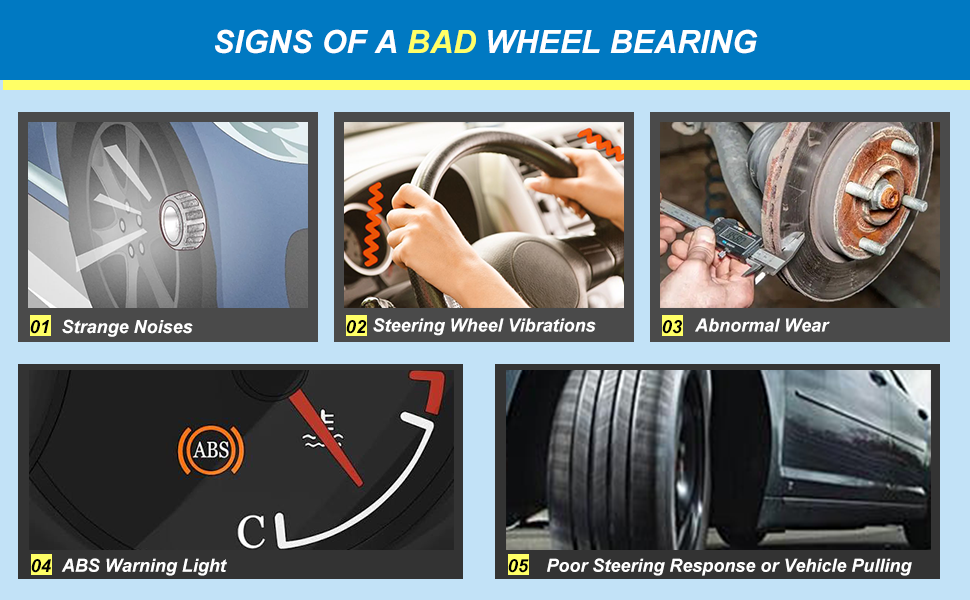
A bad wheel bearing can produce different noises as the damage worsens. Early symptoms often include a faint humming sound, which may gradually develop into a louder rumbling or roaring noise. In severe cases, the bearing may produce a metallic grinding sound. However, noise alone cannot reliably indicate how much useful life the bearing has left. Other warning signs should also be checked, including vehicle vibrations, excessive wheel play, and wheel wobble.
Stage | Typical Noise | What It May Indicate | Recommended Action |
| Early | Faint humming or low rumbling | Early bearing wear or damage to the rolling surfaces | Schedule an inspection as soon as possible |
| Moderate | Louder rumbling or roaring | Worsening bearing wear or internal damage | Arrange an inspection and repair promptly |
| Advanced | Harsh grinding or scraping | Potentially severe internal bearing damage | Avoid unnecessary driving, especially long trips |
| Critical | Grinding accompanied by excessive wheel play, wheel wobble, or significant vibration | Severe bearing damage or another wheel-end problem | Stop in a safe location and arrange immediate professional inspection |
NOTE
Noise level alone cannot reliably indicate the extent of wheel bearing damage. Different bearing problems can produce different sounds, and similar noises may also come from the tires, brakes, or other wheel-end components.
Early Wheel Bearing Noise: Humming Sound When Driving
In the early stages of wear, a wheel bearing may produce a faint humming or low rumbling noise, creating a humming sound when driving that resembles tires rolling over rough road surfaces. The noise often becomes more noticeable as vehicle speed increases and typically follows road speed rather than engine RPM. If the humming persists even on smooth roads, have the wheel bearings and tires inspected for uneven tire wear or other potential issues.
Moderate Wheel Bearing Noise: Rumbling or Roaring Sound When Driving
As wheel bearing wear or damage progresses, a faint humming noise may develop into a louder rumbling or roaring sound. The noise typically grows louder as vehicle speed increases.
The noise may also change in intensity during gentle turns as cornering changes the load on the wheel bearings. However, this change alone cannot reliably identify which wheel bearing is failing, since uneven tire wear and other wheel-end problems can produce similar noises.
Advanced Wheel Bearing Noise: Grinding
Severe damage to the bearing’s rolling elements or raceways, or insufficient lubrication, can produce a harsh grinding or metal-on-metal scraping noise. This noise is often more pronounced than the humming associated with early bearing wear and may grow louder as vehicle speed increases.
If the grinding is accompanied by noticeable vibration or other abnormal symptoms, have the vehicle inspected as soon as possible. If the grinding is persistent or severe, avoid driving the vehicle and arrange professional assistance.
Critical Warning Signs: Wheel Wobble or Excessive Play
If unusual noises are accompanied by excessive wheel play, noticeable wheel wobble, severe vibration, or changes in vehicle handling, the wheel bearing or other wheel-end components may be severely damaged or failing.
Pull over as soon as it is safe to do so and stop driving. Have the vehicle inspected by a qualified technician, and arrange towing if necessary.
How to Tell If the Noise Is Coming from the Tires or Wheel Bearings
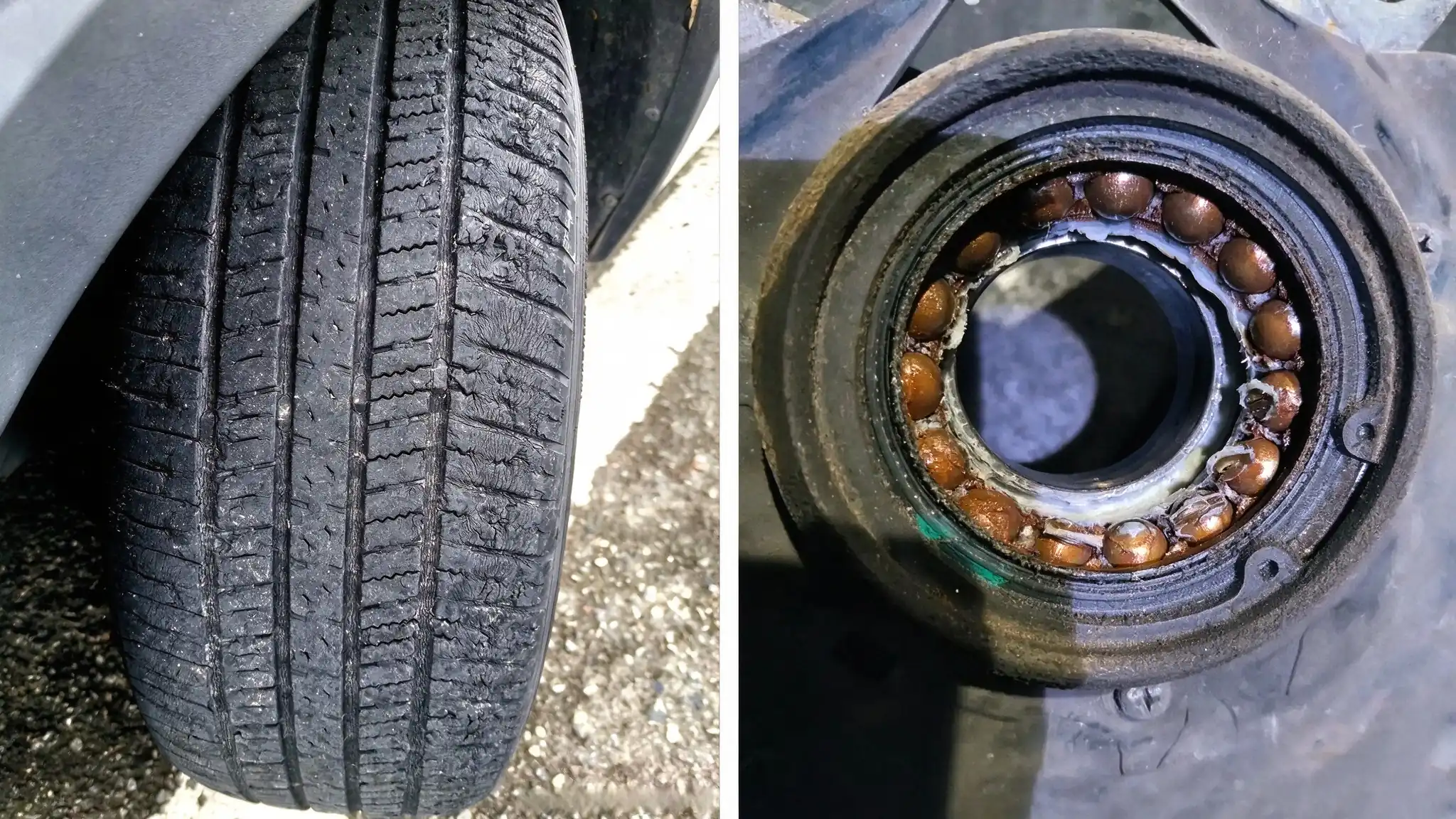
Uneven tire wear, including feathered tread wear, can produce humming or rumbling noises similar to wheel bearing noise.
To help identify the source of the noise, check the following:
- Whether the noise changes with vehicle speed.
- Whether the noise changes during gentle turns.
- Whether the noise is accompanied by vibration or excessive wheel play.
- Whether the tires show uneven tread wear.
Wheel bearing noise can provide a useful diagnostic clue, but it should not be the sole basis for diagnosing the problem. If the noise persists, have the wheel bearings, tires, and other wheel-end components inspected.
How to Tell If the Noise Is Coming from a Wheel Bearing
Tires, brakes, CV joints, and other wheel-end components can all produce noises similar to those caused by a failing wheel bearing. You can narrow down the possible source by checking three key factors.
01.
Check Whether the Noise Changes with Vehicle Speed
Wheel bearing noise is usually related to wheel speed. It may become more noticeable as the vehicle speeds up and decrease as the vehicle slows down. The noise may persist even when you lift off the accelerator.
02.
Listen for Changes in Noise When Turning
Turning shifts the load between the wheels, which may cause noise from a damaged wheel bearing to become louder or quieter. This can provide a useful diagnostic clue, but it cannot reliably identify the faulty side or component on its own.
03.
Observe How the Noise Responds to Acceleration and Braking
If the noise mainly follows vehicle speed, inspect the wheel bearings and tires, even if the sound continues when you lift off the accelerator.
NOTE
If the noise occurs or changes noticeably when braking, inspect the braking system.
If the noise changes significantly during acceleration, deceleration, or turning, other possible causes include a CV joint, the drivetrain, or related components. The type of noise and the conditions under which it occurs can help narrow down the cause.
How Wheel Bearing Noise Differs from Other Common Noises
01.
Wheel Bearing Noise vs. Tire Noise
A failing wheel bearing typically produces a humming, rumbling, or roaring noise that changes with vehicle speed. Tire noise, on the other hand, is often affected by road surface conditions and may result from tread design or uneven tire wear.
If the noise changes in intensity or seems to come from a different area after rotating the tires, inspect them for uneven wear, feathered tread edges, or other signs of abnormal tread wear. However, tire rotation alone cannot confirm the source of the noise, so further inspection may be necessary.
02.
Wheel Bearing Noise vs. CV Joint Noise
A failing CV joint often produces rhythmic clicking noises when turning, especially under acceleration. An inner CV joint may also cause vibration during acceleration. A worn wheel bearing, by contrast, typically produces a continuous humming, rumbling, or roaring noise that changes with vehicle speed.
If you notice grease around the axle or nearby suspension components, inspect the CV boot for tears or cracks and check the joint for contamination or wear. A damaged CV boot can allow grease to escape and dirt to enter, accelerating CV joint wear.
03.
Wheel Bearing Noise vs. Brake Noise
If a noise occurs or changes noticeably when you apply the brakes, inspect the brake pads, rotors, calipers, and other braking components first.
However, some brake issues can also cause persistent rubbing or scraping noises even when the brakes are not applied. Therefore, you should not rely on noise alone to determine whether a wheel bearing is failing.
04.
Other Possible Sources of Noise
Loose or worn suspension components, a brake dust shield rubbing against the rotor, and problems with the differential, drivetrain, or other wheel-end components can also cause noises similar to those of a failing wheel bearing. If you cannot determine the source of the noise, have the vehicle inspected further.
How to Tell Which Wheel Bearing Is Bad
If you suspect a wheel bearing is causing the noise, steering tests and physical inspections can help narrow down the source. However, these methods provide clues rather than a definitive diagnosis. A professional inspection may still be needed to identify the faulty wheel bearing.
Steering Test
In a safe area with sufficient space, drive at a low, steady speed and make gentle turns to the left and right. Pay attention to whether the noise gets louder or quieter as the vehicle turns.
As a general guideline:
- Noise gets louder when turning left → Inspect the right-side wheel bearing first.
- Noise gets louder when turning right → Inspect the left-side wheel bearing first.
These patterns are not universal. Tire noise and other wheel-end problems can produce similar symptoms, so do not rely on steering tests alone to identify the faulty side. Do not perform this test if the vehicle has severe grinding noises, excessive vibration, or handling problems.
Physical Inspection
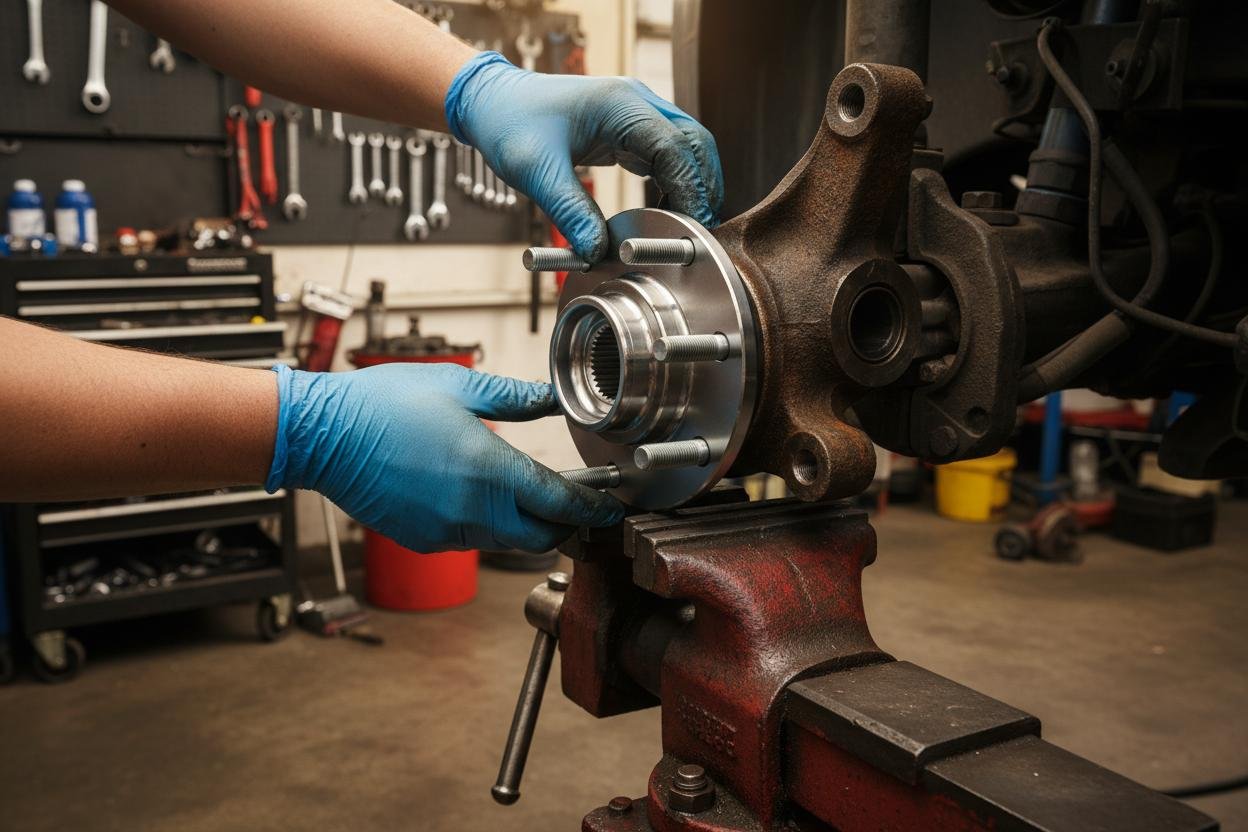
To check for excessive wheel play or other signs of bearing damage, park the vehicle on firm, level ground and support it securely with jack stands at the manufacturer-approved support points. Never rely on a jack alone to support a vehicle.
01.
Check for Wheel Play
With the wheel safely lifted and supported, grasp it at the 12 o’clock and 6 o’clock positions and gently rock it back and forth. Noticeable looseness may indicate a problem with the wheel bearing, ball joint, or other suspension components.
The absence of noticeable wheel play does not rule out a faulty wheel bearing.
02.
Rotate the Wheel
With the vehicle securely supported, rotate the wheel by hand and check for unusual roughness, binding, grinding, or scraping noises. Light contact between the brake pads and rotor can be normal on some vehicles.
03.
Get a Professional Inspection
If you still cannot identify the faulty side, a technician can use a mechanic’s stethoscope, electronic chassis ears, a dial indicator, and other diagnostic tools to check for abnormal bearing noise, excessive play, and axial or radial runout. The appropriate tests and specifications vary by vehicle, so follow the manufacturer’s service procedures for an accurate diagnosis.
Related Articles