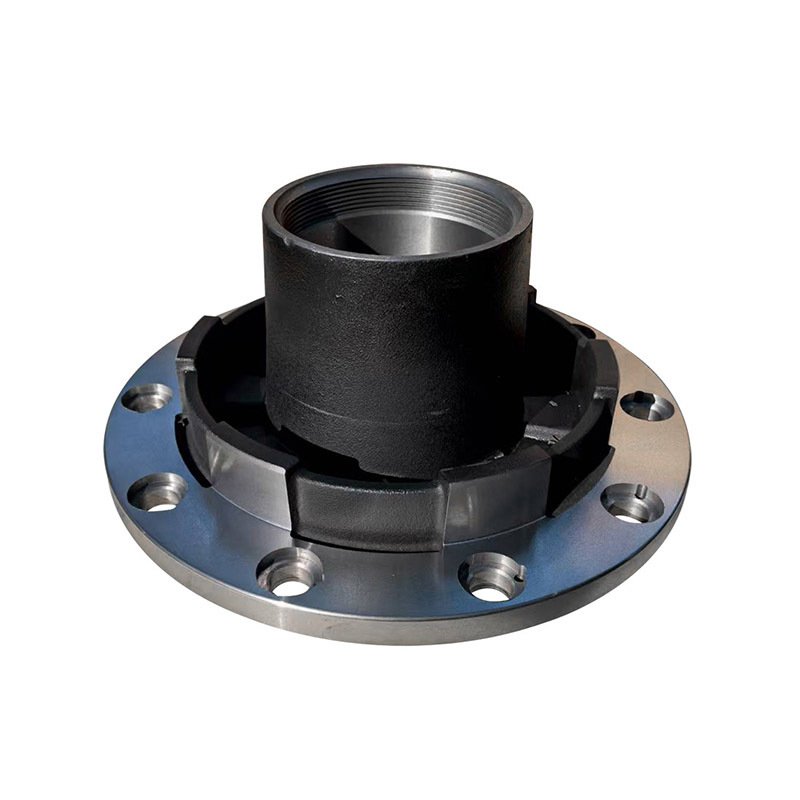
Wheel bearings typically last between 85,000 and 100,000 miles, but their lifespan depends on driving conditions, vehicle type, maintenance, and bearing quality.
Unlike some automotive components, wheel bearings do not have a fixed replacement interval. They should be inspected regularly and replaced when signs of wear or damage appear.
Factors That Affect Wheel Bearing Lifespan
01.
Driving Conditions
Rough roads, potholes, and frequent impacts can accelerate wheel bearing wear and shorten their service life.
02.
Vehicle Load
Heavy loads and frequent towing put additional stress on wheel bearings, potentially accelerating wear and reducing their service life.
03.
Water and Dirt Contamination
Damaged seals can allow water, dirt, and other contaminants to enter the bearing, causing corrosion and premature failure.
04.
Installation Quality
Improper installation, incorrect torque, or improper handling can damage wheel bearings and reduce their service life.
05.
Bearing Quality
High-quality bearings made with durable materials and reliable manufacturing processes generally offer better durability and long-term performance.
When Should Wheel Bearings Be Replaced?
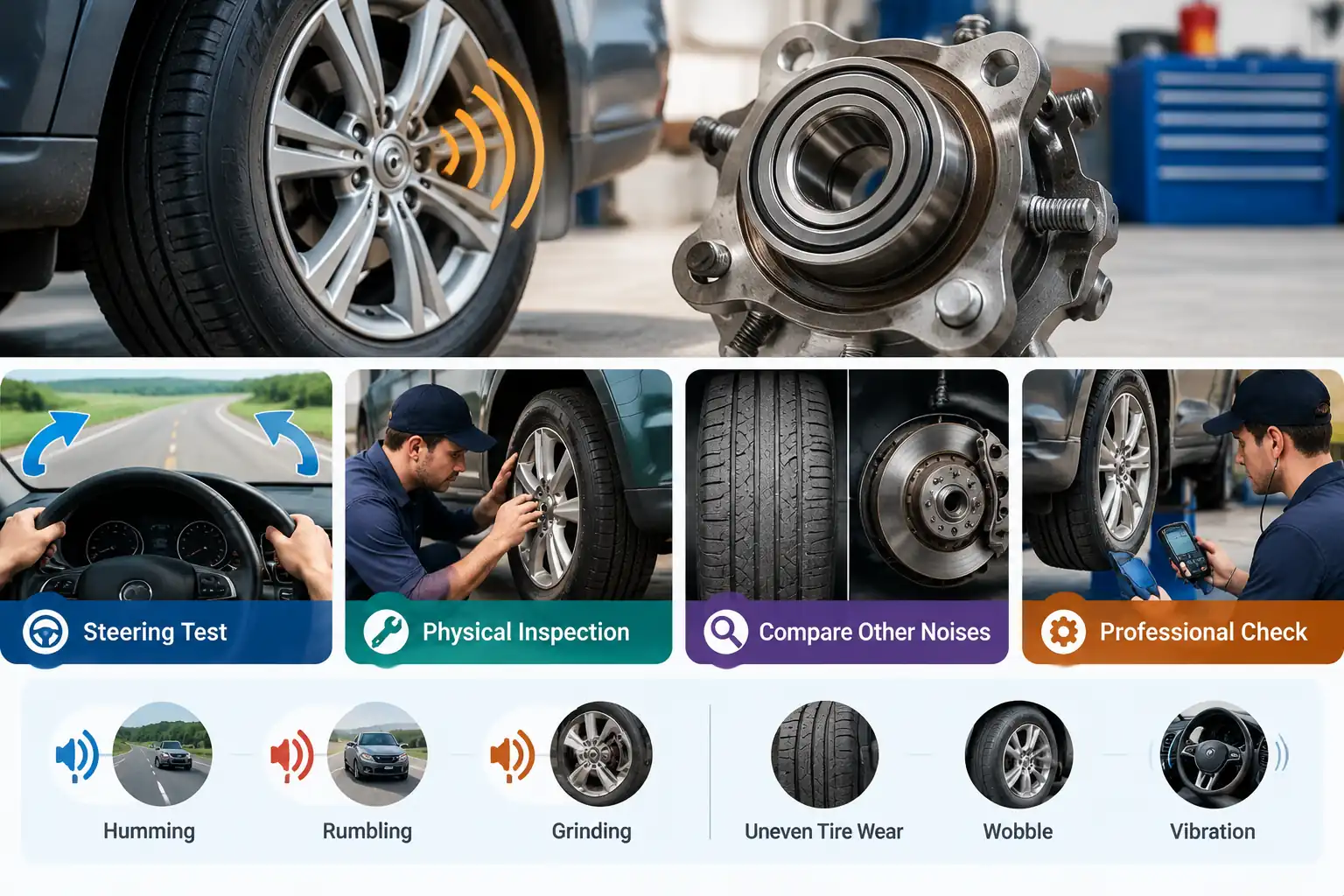
Common warning signs of a failing wheel bearing include:
- Humming, grinding, or growling noises while driving.
- Unusual vibrations coming from the wheels.
- Excessive wheel play or looseness.
- Uneven tire wear.
- An illuminated ABS warning light, which may indicate a problem with the wheel speed sensor or ABS system.
If you notice these symptoms, have your vehicle inspected by a qualified mechanic. Replace the wheel bearings if excessive wear or damage is confirmed.
Can You Drive with Bad Wheel Bearings?
Driving with bad wheel bearings is not recommended. A severely damaged wheel bearing can cause excessive heat, noise, vibration, and wheel instability. In extreme cases, it may lead to loss of wheel control or even wheel separation.
If you notice grinding noises, unusual vibrations, or excessive wheel play, have your vehicle inspected as soon as possible.
If the bearing is severely damaged, stop driving and arrange for the vehicle to be towed to a repair shop. Continuing to drive can increase the risk of an accident and cause further damage to the vehicle.
Note: Wheel bearing lifespan varies depending on vehicle design and operating conditions. Always follow the vehicle manufacturer’s maintenance recommendations.