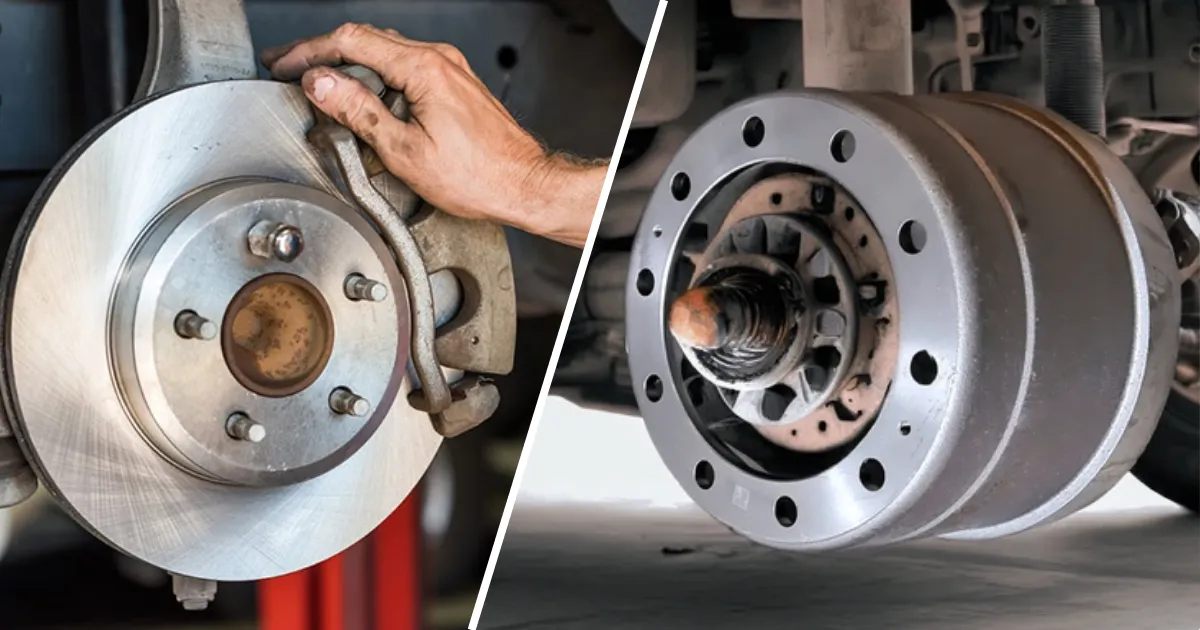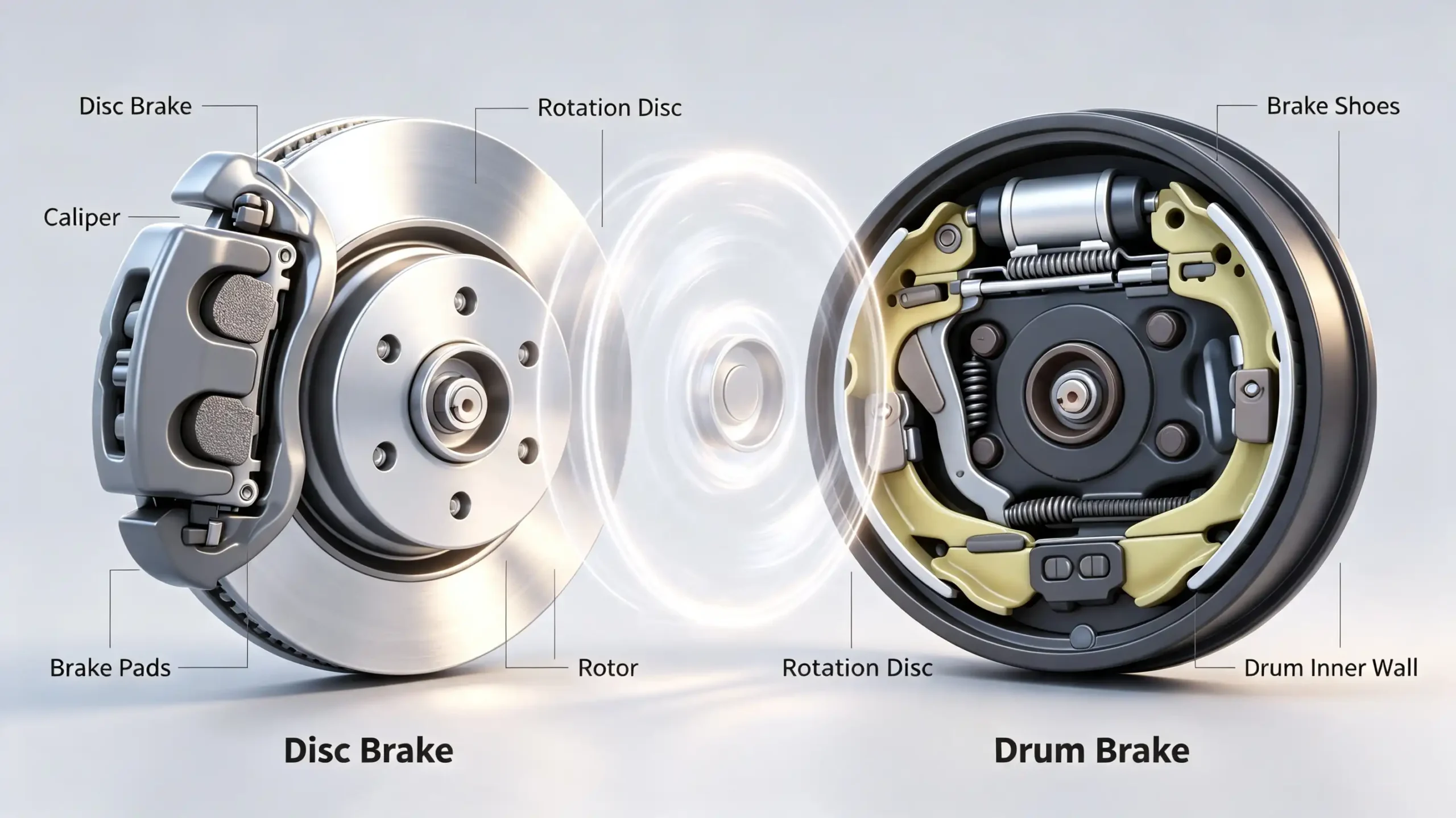
That smell of burnt metal and hot brake dust after a long downhill grade is more than unpleasant—it can be a warning sign. When was the last time you checked your semi truck brake drums?
Brake drums do more than support the braking system. They absorb and dissipate the enormous heat generated during braking. If a drum becomes worn, cracked, or overheated, braking performance can suffer and safety can be compromised.

What are brake drums for semi‑trucks?
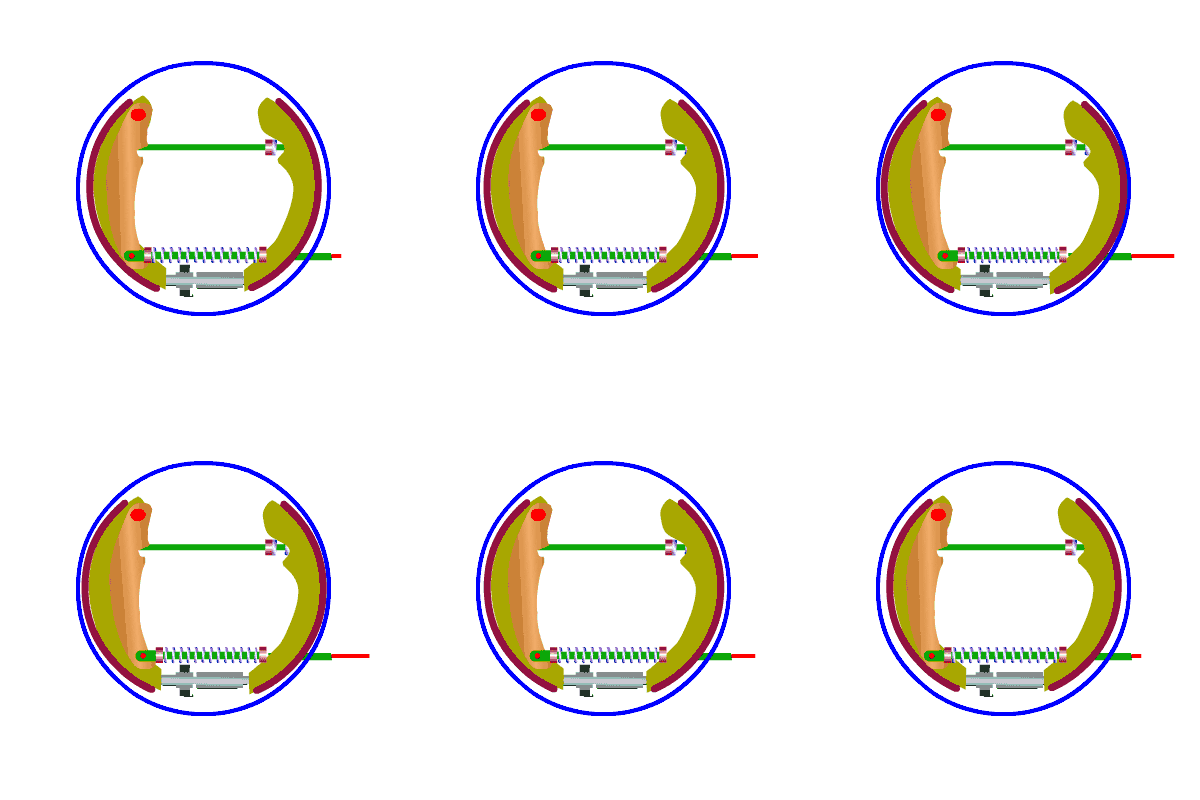
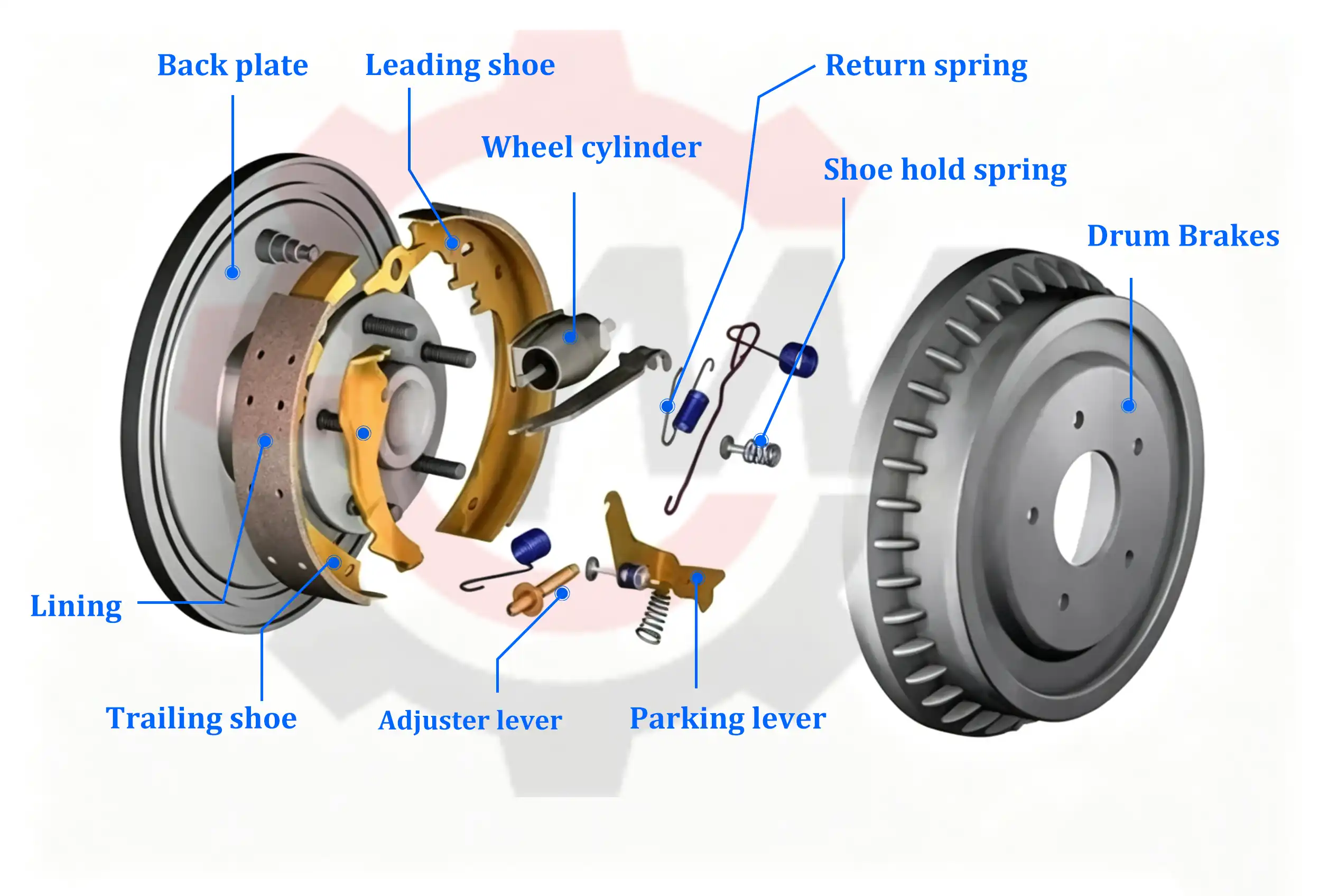
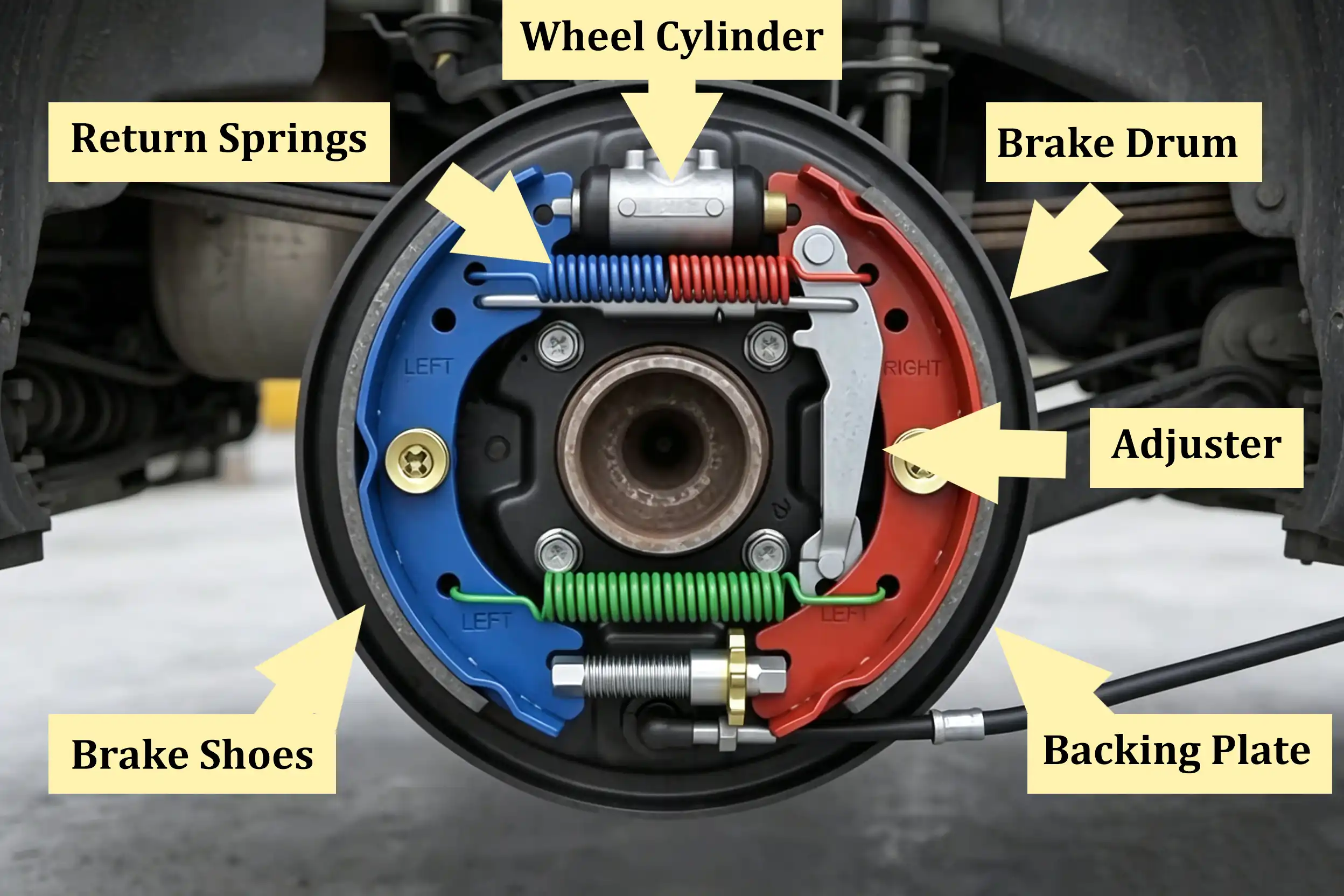
Let’s keep it simple. When you press the brake pedal, air pressure pushes brake shoes outward against the inside of a spinning drum. The friction between the shoes and the drum turns your truck’s kinetic energy into thermal energy: heat. That’s the whole game. Slow down a 80,000-pound truck from highway speed, and those brake drums can hit 500°F in normal operation. Push them hard on a mountain descent, and they can climb past 1,800°F.
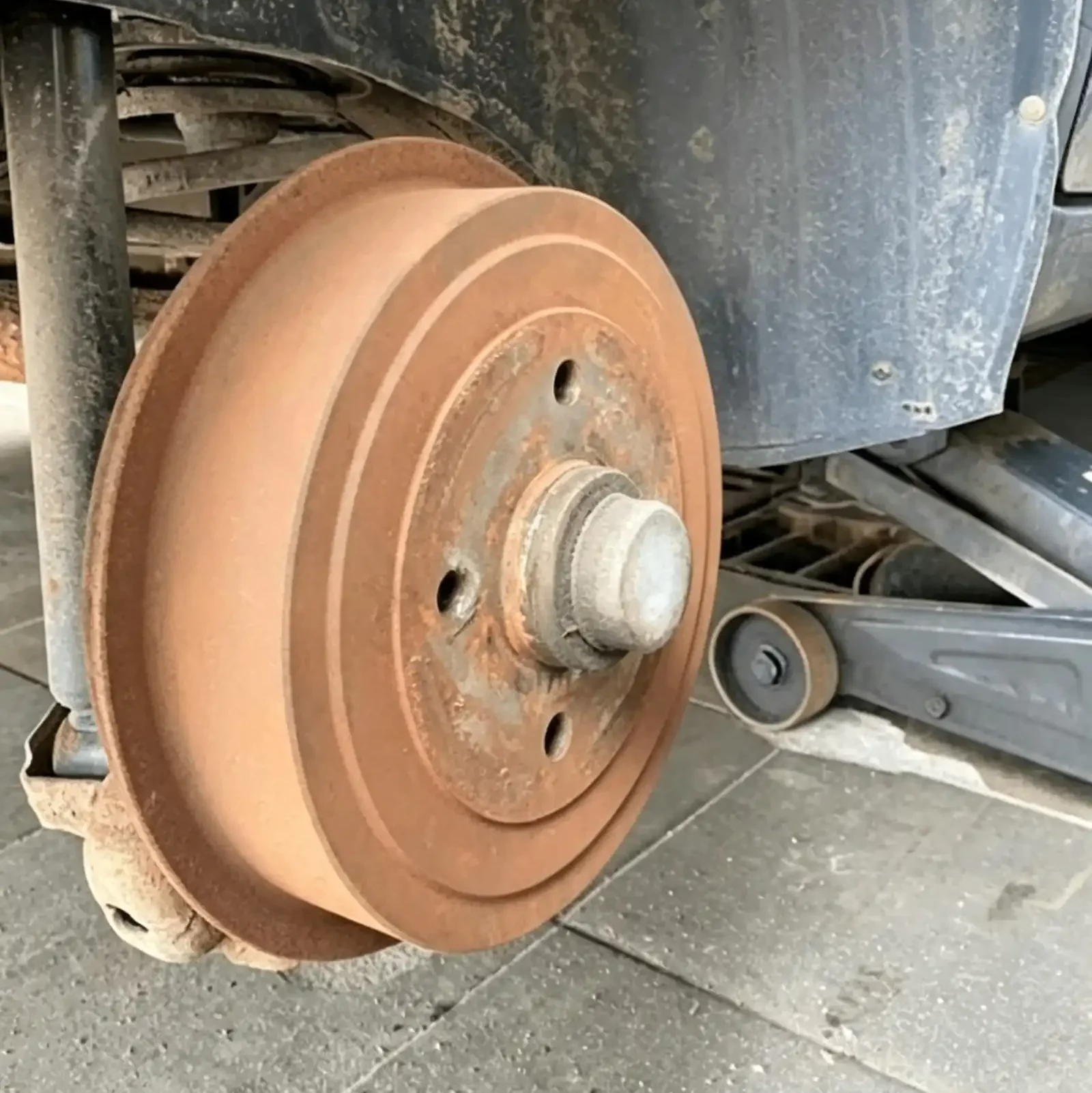
That’s why brake drums for semi trucks are almost always made of cast iron. It’s not the lightest material, but it absorbs and dissipates heat better than most alternatives. Common sizes for truck brake drums include a 16.5-inch diameter, with widths of 5, 7, or 8.625 inches depending on the axle and application.
How much do brake drums weigh?
A typical heavy-duty semi truck brake drum weighs between 100 and 160 pounds (45 to 73 kilograms). That’s about the weight of a small adult. Per drum.
Why so heavy? Because cast iron is dense. It has to be. A lighter aluminum drum might save you a few pounds on fuel economy, but it won’t handle heat the same way. Think of it like cookware again: a cast iron skillet weighs more than an aluminum one, but it holds heat longer and cooks more evenly. Same principle applies to the brake drums truck operators rely on every day.
Weight matters for more than just performance. The brake drums semi truck fleets choose must also fit within overall vehicle weight limits. Add heavier components, and you might eat into your payload capacity, or worse, push past legal weight restrictions.
How much do semi truck brake drums cost?
Plan on spending $150 to $400 per drum for a quality replacement. That’s just the part. Labor adds more.
Like most truck parts, you get what you pay for. A budget brake drum for semi truck use might save you money upfront, but it could wear faster, dissipate heat poorly, or even crack under stress. A premium drum from a reputable manufacturer typically lasts longer and performs more consistently.
| Factor | Budget Option | Premium Option |
|---|---|---|
| Price per drum | $150–$200 | $300–$400+ |
| Material | Basic cast iron | High-grade cast iron or composite |
| Lifespan | Shorter, more frequent replacement | Longer, better heat resistance |
| Best for | Low-mileage local routes | Long-haul, heavy loads, mountain routes |
How do you know when your brake drums need replacing?
Your truck will tell you when something’s wrong. You just need to know what to listen for.
How often should you inspect? A quick visual check before every trip. A detailed measurement every 25,000 to 50,000 miles during preventive maintenance. And always, always replace brake drums in pairs on the same axle. Replacing just one is like putting one new shoe on and keeping an old one. You’ll walk funny, and your truck will stop funny too.
How to measure brake drums the right way
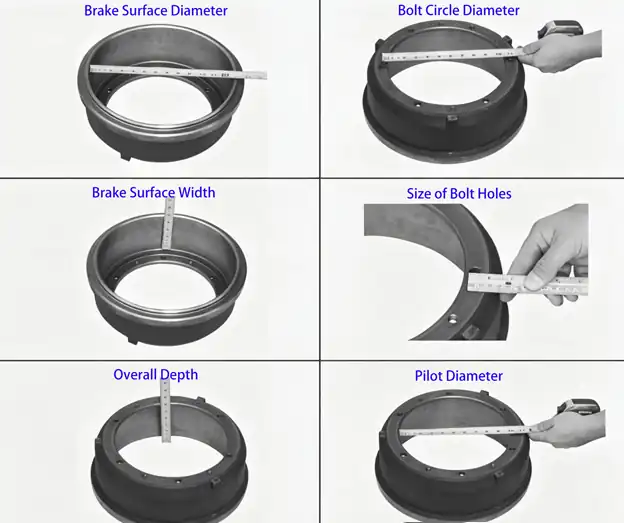
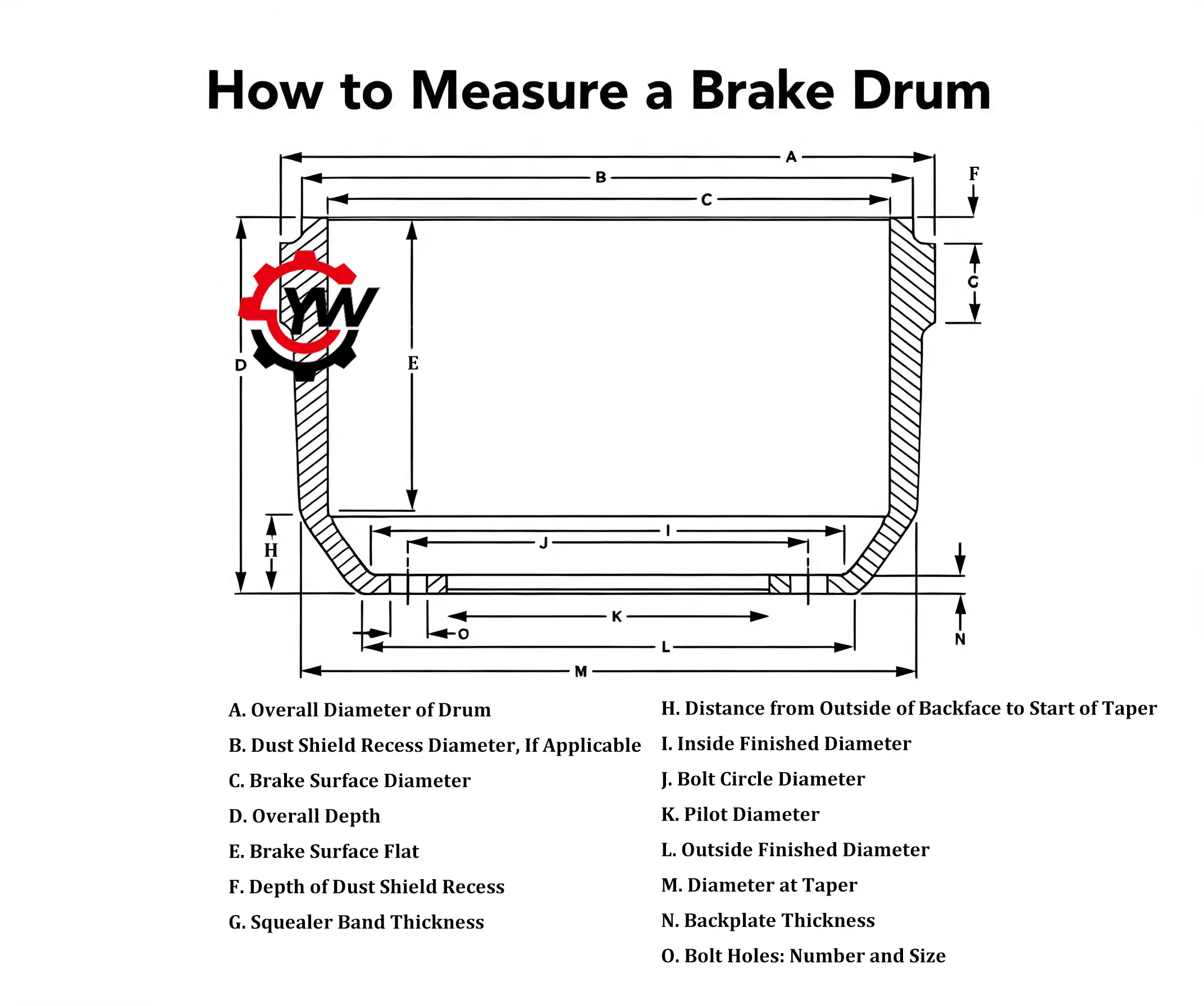
If you need to measure a brake drum, there are six measurements you should take.
The most important number on the entire drum is the one stamped into the casting: “MAX DIA”. That’s the maximum allowable diameter. If your gauge reading exceeds that number, the drum is done. No exceptions. No “just one more trip.” It’s like measuring the bottom of your wok and finding it’s worn through. Time to replace it.
Semi truck brake drum replacement: When and how
Not every worn drum needs to be thrown out. Some can be saved.
When you can machine (turn) the drum:
When you must replace the drum
If you’re doing a semi truck brake drum replacement, here’s the 7-step process in a nutshell:
Safety setup
Remove the wheel and drum
Inspect everything inside
Install new brake shoes if neede
Install the new drum and adjust
Post-installation check
A word on safety: older brake linings may contain asbestos. Use proper PPE: gloves, mask, eye protection. And always work in a well-ventilated area.
DOT regulations: What the inspector looks for
When a DOT officer pulls you in for a roadside inspection, they’re working from a specific playbook: 49 CFR § 393.47. Here’s what they’re looking for on your truck drum brakes:
Three things will get you parked immediately:
| Defect | The Rule | Out-of-Service? |
|---|---|---|
| Cracks on the friction surface | Any crack longer than 1/4 the width of the friction surface | Yes |
| Worn beyond MAX DIA | Internal diameter exceeds the manufacturer’s stamped limit | Yes |
| Oil or grease contamination | Friction surface contaminated by leaking wheel seal | Yes |
Other red flags inspectors watch for:
- Heat checking that’s severe enough to compromise the drum
- Missing chunks or structural damage
- Uneven wear patterns suggesting deeper problems
The good news: all of these are preventable. A standardized inspection checklist: find the MAX DIA stamp, measure with a gauge, inspect for cracks, check for contamination, document everything. That turns compliance from a guessing game into a routine. Think of it like a restaurant health inspection. You know exactly what the inspector is checking. There’s no excuse for failing.
During the CVSA’s 2023 International Roadcheck, brake system issues accounted for 25.2% of all out-of-service violations. That’s the #1 offender. Don’t let your truck be part of that statistic.
Key Takeaways
Your truck drum brakes are heat management devices, not just iron parts. Understanding that changes how you maintain them.
- Weigh your options. A typical semi truck brake drum weighs 100–160 lbs and costs $150–$400. Cheaper isn’t always cheaper in the long run.
- Listen to your truck. Grinding, vibration, pulling, or burning smells are your brake drums asking for help. Don’t ignore them.
- Measure, don’t guess. The MAX DIA stamp is the law. If your gauge reads higher, the drum is done.
- Replace in pairs. Always. Uneven braking is dangerous braking.
- Know the DOT rules. Cracks, excessive wear, and contamination are the three fastest ways to get parked at a roadside inspection.
References